What If Your Daily Routine Could Keep Your Loved One Safer—Without Adding a Single Task?
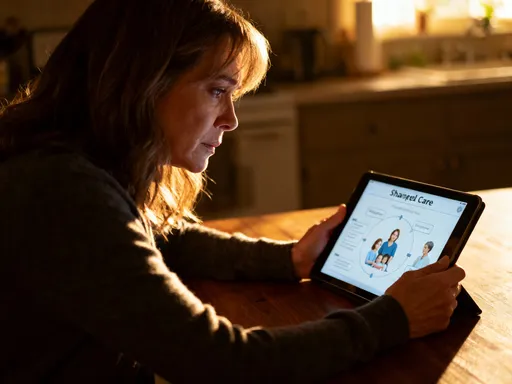
We’ve all had that moment—calling a parent or sibling who lives alone, heart racing just a little, hoping they answer. It’s not about fear; it’s about care. And when life gets busy, those small worries can pile up. But what if staying connected and keeping them safe didn’t require more time, more effort, or complicated gadgets? What if the tools you already use every day could quietly, gently, make a real difference? You don’t need a high-tech overhaul. You just need to see your everyday tech in a new light—as a soft, steady hand on the shoulder of someone you love.
The Quiet Worry That Never Leaves You
It starts with something small. A missed call. A text that goes unanswered for hours. Maybe it’s your mom, who lives 30 minutes away but feels worlds apart when the phone doesn’t ring. Or your brother, who’s always been independent but now lives alone since his kids moved out. You tell yourself, “She’s fine.” “He probably just forgot his phone.” But the thought lingers—like a whisper you can’t quite shake. That’s not fear. That’s love showing up in the quietest, most persistent way.
I remember one winter night, driving home after a long day, when a snowstorm rolled in faster than anyone expected. I tried calling my dad—no answer. No text back. Just silence. I started imagining the worst: Did he try to shovel? Did he fall? Was he even awake? It wasn’t until 10 p.m. that he called, completely fine, having fallen asleep during the news. But those two hours? They were heavy. And I realized then: it wasn’t just about that night. It was about all the nights like it—when I was too busy to check in, or he was too proud to ask for help.
That’s the truth so many of us don’t talk about: caring for someone who lives independently doesn’t end when they say, “I’m okay.” It lives in the pauses between messages, in the weather alerts we glance at with a knot in our stomach, in the guilt of knowing we should call more. We’re not looking for drama. We’re looking for peace of mind. And what if I told you that peace doesn’t have to come from doing more? It can come from using what you already have—your phone, your routines, your habits—in a smarter, gentler way?
How “Busy” Steals Our Peace of Mind
Let’s be honest: most of us are running on a kind of controlled chaos. Mornings are a blur of school lunches, work emails, and last-minute errands. Evenings are homework, dinner cleanup, and the never-ending to-do list. In the middle of it all, checking in on a loved one can feel like one more task—another box to tick, another moment of guilt when we forget. We want to be present. We want to care. But time slips through our fingers like sand.
I used to set reminders to call my aunt every evening at 7 p.m. But life happens. A meeting runs late. The kids need help with a project. The dog needs a walk. And suddenly, it’s 9 p.m., and I’m texting, “Sorry I missed you earlier!” She always says, “It’s fine, don’t worry.” But I do worry. Not just about missing the call—but about the pattern. How often does this happen? How many times have I told myself, “I’ll call tomorrow,” only to forget again?
This isn’t about being irresponsible. It’s about being human. Our intentions are good, but our days are fragmented. And that’s exactly why safety solutions shouldn’t ask us to do more. They should work with us—within the rhythm of our real lives. Think of it like a slow cooker: you set it once, and it does the work while you live your life. The goal isn’t constant vigilance. It’s quiet assurance. It’s knowing that even when you’re distracted, even when you’re overwhelmed, there’s a gentle system in place that says, “I’ve got you.”
That’s where technology, when used thoughtfully, can step in—not as a replacement for love, but as a partner to it. Not as a loud alarm, but as a soft chime in the background. The right tools don’t demand attention. They offer reassurance. And the best part? You probably already have them in your pocket.
The Phone You Already Carry Is Your Secret Ally
Your smartphone is more than a device. It’s a lifeline. And yet, most of us only use a fraction of what it can do. We know how to text, scroll, and take photos. But how many of us know that our phones can quietly check in on the people we love—without a single extra tap?
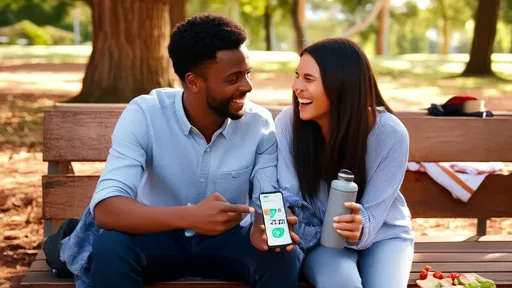
Take location sharing. It sounds intense, maybe even a little invasive. But when framed as care, not control, it becomes something entirely different. Imagine this: you and your mom agree to share locations just during the day, so you can both relax knowing she’s at her yoga class or safely back from the grocery store. It’s not about watching her every move. It’s about knowing she’s moving through her day as she should. And the best part? It runs automatically. No calls. No texts. Just peace.
Then there’s emergency SOS. Most modern phones let you trigger an emergency alert with just a few quick presses of the power button. If your dad slips in the bathroom and can’t reach the phone, this feature can send his location to emergency contacts automatically. And you? You get a notification that says, “Dad has shared his emergency location.” No guesswork. No panic. Just clarity in a moment that could otherwise be chaos.
And let’s not forget check-in reminders. Some phones now have built-in features that ask, “Are you okay?” after a certain time. You can set it up so that if your sister doesn’t respond within 15 minutes, her phone automatically alerts you. It’s like a digital nudge—gentle, respectful, and life-saving. The beauty is in the simplicity: these tools don’t ask you to change your routine. They just make your routine safer.
Setting them up takes less than ten minutes. And once they’re in place, they work silently, like a guardian angel in your pocket. You don’t have to think about them. They think for you.
Turning Everyday Habits into Safety Nets
Here’s the real magic: technology doesn’t have to be active to be effective. It can work in the background, turning your normal day into a series of quiet check-ins. Think about your morning routine. You unlock your phone. You start your coffee. You open your calendar. What if one of those small actions could also send a silent signal to someone you love?
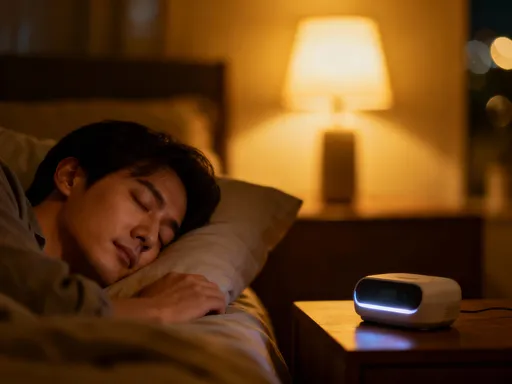
Let’s say your mom has a smart speaker. Every morning, at 8 a.m., it plays the news. You can set up a notification on your phone that says, “Mom’s speaker started.” You don’t have to call. You don’t have to text. But you know—without a doubt—that she’s up, she’s moving, she’s starting her day. That one small signal can lift a weight you didn’t even know you were carrying.
Or imagine this: your brother lives alone and drives to work every day. He’s set his phone to automatically share his arrival when he gets to the office. You get a quiet notification: “John arrived at work.” No conversation needed. But you know he made it through the icy roads safely. That’s not surveillance. That’s solidarity.
Even unlocking your phone can be part of the system. Some apps let you create “digital check-ins” that trigger when you unlock your device. If your daughter does this every morning, you get a little ping that says, “Sophie’s awake and starting her day.” It’s not a report. It’s a reassurance. And over time, these tiny moments add up to something powerful: the feeling that you’re connected, even when you’re apart.
The goal isn’t to monitor. It’s to reduce mental load. To free up space in your brain so you’re not constantly wondering, “Is she okay?” Instead, you can trust the system you’ve built together. And that trust? It’s a gift—to them, and to yourself.
Choosing Tools That Feel Like Care, Not Control
Now, let’s talk about the elephant in the room: resistance. You bring up location sharing, and your mom says, “Are you spying on me?” You suggest an emergency alert, and your brother laughs, “I’m not that old.” These reactions aren’t about the technology. They’re about how it feels. And that’s where the conversation matters more than the setup.
I learned this the hard way. When I first suggested location sharing to my aunt, she said, “I don’t want you watching me.” So I paused. And instead of arguing, I said, “It’s not about watching. It’s about me worrying less. When the weather gets bad, I stress. If I can just see that you’re home and safe, I can stop calling you every hour.” She was quiet for a moment. Then she said, “Oh. That makes sense.” We turned it on that night—only during storms. And now, when the wind picks up, I glance at my phone, see her dot at home, and breathe.
The key is framing. It’s not, “I need to track you.” It’s, “I care, and this helps me care without bothering you.” It’s offering choice. It’s saying, “We can turn it off anytime.” It’s making it mutual. Maybe you share your location with her too, just during your commute. That way, it’s not one-sided. It’s connection.
And it’s okay to start small. Try it for a week during a big storm. Or use it only when someone’s traveling. The goal isn’t 24/7 monitoring. It’s situational support. It’s giving each other permission to relax, knowing that if something were wrong, you’d know.
When done right, these tools don’t erode trust. They strengthen it. They say, “I respect your independence, and I’m here if you need me.” That’s not control. That’s love with a safety net.
When Technology Fails—And What to Do Next
Let’s be real: tech isn’t perfect. Phones die. Batteries run out. Wi-Fi drops. Apps crash. And in those moments, we need a backup plan—one that doesn’t rely on signals or software.
That’s why the best safety systems are hybrid. They combine tech with simple, human habits. For example, my mom and I have a voice memo ritual. Every night before bed, she sends me a quick 10-second recording: “Hi, it’s me. All good here.” It takes no effort. But if I don’t get it, I know to call. It’s low-tech, personal, and reliable.
We’ve also set up a neighbor check-in pact. Her next-door neighbor knows to knock if she doesn’t see my mom’s porch light on by 8 p.m. during winter. In return, my mom does the same for her. It’s a beautiful exchange—two people looking out for each other, no apps required.
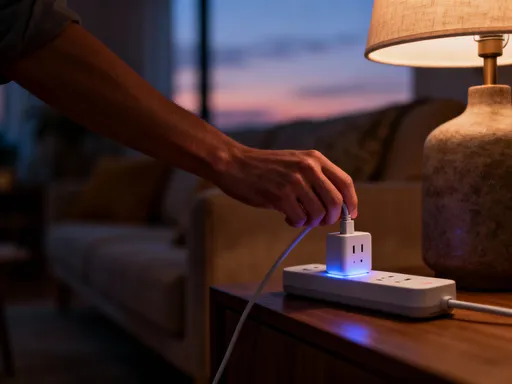
And sometimes, the simplest signals are the strongest. A lamp left on. A car in the driveway. A newspaper moved from the front step. These aren’t digital, but they’re visible. They’re part of a quiet language we’ve built over time—one that says, “I’m here. I’m okay.”
The point isn’t to replace technology. It’s to pair it with humanity. Because when the power goes out, or the phone dies, or the app glitches, what matters most is the connection you’ve already built. The calls you’ve made. The trust you’ve earned. The love that doesn’t need a signal to exist.
Peace of Mind Isn’t a Luxury—It’s a Daily Practice
At the end of the day, safety isn’t about gadgets. It’s about peace. And peace doesn’t come from doing more. It comes from caring smarter. It comes from knowing that you’ve built a gentle system—woven from your phone, your routines, your relationships—that holds you both, even when you’re apart.
You don’t need to overhaul your life. You don’t need to buy expensive devices or learn complicated apps. You just need to look at what you already have—the phone in your pocket, the habits you already follow, the love you already feel—and ask: how can this work a little harder for the people I care about?
Maybe it’s turning on location sharing during storms. Maybe it’s setting up a silent arrival alert. Maybe it’s a nightly voice memo or a neighbor’s knock. These aren’t grand gestures. They’re quiet acts of love. And over time, they add up to something powerful: the freedom to live your life fully, knowing that the people you love are wrapped in care—even when you’re not there to say it out loud.
True peace of mind isn’t about constant checking. It’s about consistent caring. It’s not about fear. It’s about faith—in the systems you build, in the people you love, in the quiet strength of everyday connection. So go ahead. Use your phone. Not for scrolling. Not for stress. But for love. Because the most powerful technology isn’t in the device. It’s in the heart behind it.