Cut My Grocery Bill by 30% in a Month: The App Alerts That Made Healthy Eating Affordable
What if you could eat healthier without spending more? I used to think fresh produce, whole grains, and quality proteins were just too expensive—until I discovered how smart discount alerts could transform my shopping habits. It wasn’t about coupons or clipping—this was real-time, personalized savings that showed up exactly when I needed them. Within weeks, I was buying better food, wasting less, and actually saving money. Let me show you how this simple tech made a meaningful difference in my daily life.
The Grocery Struggle We All Know
Remember that sinking feeling when you look at your receipt and realize you’ve already spent half your weekly budget on just two bags of groceries? I do. For years, I walked into the store with good intentions—leafy greens, fresh herbs, lean chicken, maybe some wild-caught salmon if I was feeling bold. But by the time I got to checkout, my cart was filled with compromises: pre-packaged meals, frozen dinners, and snack bars that promised nutrition but delivered more sugar than substance. I wasn’t lazy, and I wasn’t careless. I was just overwhelmed. Healthy eating felt like a luxury I couldn’t afford.
And honestly, it’s not just about the money. It’s about the mental load. Every decision—organic or conventional? Name brand or store label? Fresh or frozen?—adds up. I found myself avoiding the produce section altogether because I knew how fast those $6 kale bunches would wilt in the back of my fridge. I’d tell myself, “Next time, when things are easier,” but next time never came. Then one evening, after tossing a half-rotten cucumber and a sad container of berries, I had enough. There had to be a better way. I didn’t need more willpower—I needed a smarter system.
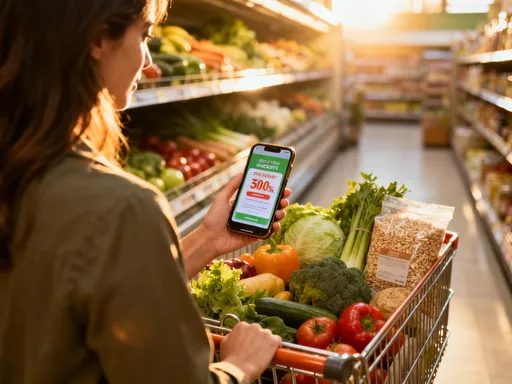
That’s when I started paying attention to the little notifications popping up on my phone from the grocery store app I’d downloaded months ago and forgotten. They weren’t flashy ads or spammy emails. They were simple, timely messages: “Your favorite Greek yogurt is on sale this week,” or “Low stock alert: organic avocados, 2 for $3.” At first, I ignored them. But then I tried one. I bought two tubs of that yogurt—something I usually wouldn’t do because it’s pricey—and suddenly, breakfast for the week was covered. That small win made me curious. What else could I save on?
How Discount Alerts Quietly Changed the Game
Here’s what surprised me: these alerts didn’t just save me money—they changed what I bought. I started seeing healthy foods not as “too expensive” but as “on sale right now.” That mental shift made all the difference. Instead of defaulting to the cheapest option, I began planning my meals around what was discounted. Last month, I got a push notification that grass-fed ground beef was 30% off. I’d never bought it before because of the price, but at that discount, it fit my budget. I made a big batch of chili, froze half, and had a nutritious, satisfying meal ready whenever I needed it.
And it wasn’t just meat. Frozen organic berries, which I love for smoothies, dropped to half price—and I found out because the app knew I bought them every few weeks. I stocked up, blended them into breakfasts, and even baked a healthy berry crisp for my family. I wasn’t sacrificing taste or nutrition. I was upgrading them. The best part? These weren’t random deals. The system learned my habits. If I bought almond milk twice in a month, it started alerting me when plant-based milks went on sale. If I searched for gluten-free pasta, it remembered and sent me notifications when those items were discounted. It felt like having a personal shopping assistant who actually knew me.
I also noticed something unexpected: I was making better choices even when items weren’t on sale. Because I’d built a rhythm of buying in bulk when prices dropped, I had staples on hand. That meant less last-minute takeout, fewer impulse buys, and more home-cooked meals. The alerts didn’t just save me money in the moment—they helped me build a more stable, predictable routine. And that, honestly, reduced my stress more than I expected. Knowing I had healthy food at home made me feel more in control, not just of my budget, but of my day.
Setting It Up: A Five-Minute Fix That Lasts
You might think this kind of smart shopping requires hours of setup or tech expertise. It doesn’t. I spent less than ten minutes getting started. First, I downloaded the official app for the grocery store I shop at most—most major chains have one. Then, I linked my loyalty card, which I already had. That’s key: the app uses your purchase history to personalize deals. No history, no smart alerts. Once linked, I turned on notifications so I wouldn’t miss anything. Then I went to preferences and checked a few boxes: “organic,” “low sugar,” “plant-based.” That’s it. No complicated settings, no data entry, no syncing spreadsheets.
Within a week, I started getting alerts. At first, they were broad: “Produce sale this weekend.” But as I shopped, the app learned. When I bought oat milk instead of almond, it adjusted. When I skipped frozen veggies for three trips, it stopped sending me deals on them. The more I used it, the more accurate it became. I didn’t have to train it—I just had to keep living my life. And the beauty is, it works passively. I don’t have to search for deals. They come to me. I’m not glued to my phone checking for discounts. I get a gentle buzz when something I like is on sale, and I decide then whether to act.
Sometimes I ignore the alert. Other times, it’s perfect timing. Like the day I got a notification for discounted wild rice blend—exactly when I was planning a grain bowl for dinner. I changed my route to stop by the store, picked it up, and saved $3.50. That might sound small, but those savings add up. Over a month, I tracked my receipts and realized I’d cut my grocery bill by nearly 30%. And I wasn’t eating cheaper—I was eating better. I wasn’t buying more junk; I was buying more of the good stuff, just at the right time.
Real-Life Wins: More Greens, Less Stress
Let me tell you about last Tuesday. I was mentally preparing for meal prep day, but I was dreading it. Greens are expensive, and I didn’t want to overspend. Then, as I was folding laundry, my phone chimed. “Alert: organic baby spinach, 2 for $5—sale ends tonight.” I checked the time: 6:15 PM. The store closed at 9. I changed into my shoes, grabbed my reusable bags, and walked over. I bought four containers—yes, four—and felt zero guilt. Why? Because I knew I’d use them. I made a big batch of lentil and spinach soup, portioned it out, and froze half. I added spinach to scrambled eggs, blended it into smoothies, and even used it in a pasta dish.
That one alert didn’t just save me money—it changed my entire week. I ate more vegetables, wasted nothing, and felt proud of how I was taking care of myself. And here’s the thing: this wasn’t a one-time win. It’s becoming a pattern. I’m not waiting for sales to eat well. I’m planning my well-being around them. I’ve started building my weekly menu based on what’s discounted, and it’s made cooking more exciting, not more stressful. Instead of staring into the fridge wondering what to make, I ask, “What’s on sale?” and build from there.
My kids noticed the difference too. “Why is there so much salad?” my daughter asked. I told her, “Because it’s a good deal, and it makes Mom feel strong.” She started asking for spinach in her wraps. That’s a win I can’t put a price on. This isn’t about deprivation or budgeting down to the dollar. It’s about abundance—getting more of what’s good for us, without the financial strain. And that peace of mind? That’s the real savings.
Avoiding Waste: Buying Smart, Not Just Cheap
Now, let’s talk about a real concern: overbuying. Just because something is on sale doesn’t mean you should buy ten of it. I learned that the hard way. Early on, I got excited about a nut butter deal—30% off, two jars for $7. I bought three. Then I opened my pantry and realized I already had one unopened jar. I felt silly. That’s when I discovered another feature: the app shows your recent purchase history. Now, before I add anything to my cart—even on sale—I check what I’ve bought recently. It’s saved me from duplicates, clutter, and food waste.
The app also shows expiration dates on digital receipts. I can see when I bought that jar of almond butter and how long it lasts. That helps me plan. If I know I won’t use a bulk item before it goes bad, I skip the deal, even if it’s tempting. This tech isn’t encouraging me to hoard—it’s helping me be more thoughtful. I’m not chasing savings; I’m chasing smart choices. And that mindset shift has made a big difference in how I use my kitchen. My fridge is more organized, my pantry is less chaotic, and I’m throwing away less food.
Another trick: I use the app to make a quick list before I shop. If I see a few items on sale that go well together—like discounted sweet potatoes, black beans, and corn—I build a meal around them. I add what I need and skip what I don’t. It keeps me focused and prevents impulse buys. I’m not wandering the aisles looking for inspiration. I’m going in with a plan, powered by real-time data. And honestly, that makes grocery shopping feel less like a chore and more like a small victory.
Building a Healthier Routine, One Alert at a Time
This isn’t just about groceries. It’s about how small tech tools can support bigger life goals. Because I’m saving money on food, I’ve been able to redirect some of that budget elsewhere. Last month, I signed up for a weekly yoga class at my local studio. I’ve also started using a better moisturizer—one that doesn’t dry out my skin in the winter. These aren’t luxuries I feel guilty about. They’re investments in how I feel every day.
And the confidence I’ve gained from eating well and managing my budget has spilled over into other areas. I’m more consistent with my morning walks. I’m drinking more water. I even started a small garden on my balcony—growing herbs and cherry tomatoes. That wouldn’t have happened if I still felt stressed about food costs. The savings from smart shopping gave me breathing room—literally and emotionally. I’m not juggling bills or skipping meals to save money. I’m making choices that support my energy, my mood, and my long-term health.
It’s not perfection. Some weeks, I forget to check alerts. Some weeks, I grab takeout because I’m tired. But the system is there, gently guiding me back. When I get that little buzz on my phone—“Your favorite oat milk is on sale”—it’s like a nudge from a friend saying, “Hey, you’ve got this.” It reminds me that I’m capable, that I can take care of myself, and that small, smart choices add up to real change.
Why This Matters Beyond the Savings
What started as a way to cut my grocery bill has become something deeper. It’s become a form of self-care. Eating well used to feel like a chore or a sacrifice. Now it feels like an act of kindness toward myself. I’m not denying myself. I’m choosing what nourishes me—physically, emotionally, financially. And that shift in mindset is powerful.
Technology often feels overwhelming—too many apps, too many notifications, too much to learn. But this? This is simple. It’s quiet. It works in the background, supporting my real life instead of distracting from it. It doesn’t demand my attention. It offers it at the right moment. And in a world that often feels chaotic, that kind of gentle support means everything.
I don’t need a perfect diet or a spotless kitchen to feel like I’m doing well. I just need to know I’m making progress. And this little system—alerts, loyalty cards, a few taps on my phone—has given me that. It’s not flashy, but it’s effective. It’s not revolutionary, but it’s reliable. And most importantly, it’s sustainable. I can keep this up for years, not just as a short-term fix, but as a long-term habit.
So if you’re feeling stuck—like healthy eating is out of reach, like your budget is too tight, like you’re always one step behind—try this. Spend ten minutes setting up a grocery app. Link your card. Turn on alerts. See what happens. You might be surprised at how a small tech tool can open the door to a calmer, healthier, more confident version of yourself. Because sometimes, the biggest changes start with the smallest notifications.