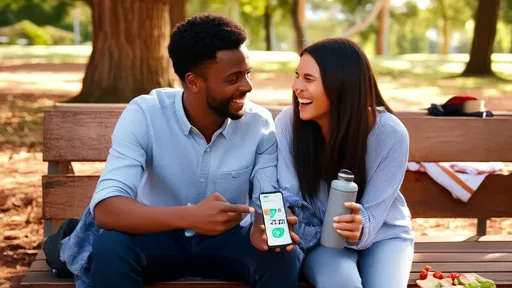
What if organizing healthy habits felt as easy as planning a coffee date?
You know that feeling—Monday morning, full of hope, you promise yourself this week will be different. This is the week you’ll drink more water, take that walk after dinner, finally start meal prepping. But by Wednesday, the gym bag is still in the corner, the salad prep didn’t happen, and your energy is running on caffeine and willpower. Sound familiar? You’re not failing. You’re just trying to do it all alone. What if organizing healthy habits felt as easy as planning a coffee date with a friend? What if your phone could help not just remind you, but actually make it easier to follow through? Because the truth is, the right tech doesn’t shout at you with alarms or guilt-trip you with step counts. It quietly supports you—like a friend who shows up, remembers your goals, and walks beside you, one small choice at a time.
The Hidden Struggle Behind Healthy Living
We’ve all been there—standing in the kitchen, staring at the fridge, wondering why last week’s big grocery haul of kale and quinoa ended up buried under frozen pizza. Or promising to start a morning stretch routine, only to hit snooze three times and rush out the door. It’s not that we don’t care. In fact, most of us deeply want to feel better—more energy, less stress, a stronger body, a clearer mind. But wanting isn’t enough when life keeps pulling us in ten different directions. The real challenge isn’t laziness or lack of discipline. It’s the quiet, constant pressure of doing it all—managing kids, work, meals, errands, and still finding time to care for ourselves. And when wellness feels like one more item on an endless to-do list, it’s no wonder we drop it.
Think about it: how many times have you started a new habit with real excitement, only to lose steam by the end of the week? You download a meditation app, commit to five minutes a day, and maybe make it to day three. Or you plan a week of healthy dinners, but one late meeting throws off the whole schedule, and suddenly, it’s easier to order takeout. This isn’t failure. This is what happens when we rely only on motivation, which fades, instead of systems, which endure. The emotional weight of trying to do it all alone is heavier than any workout. Without support, even the best intentions can feel isolating. And isolation is the quiet enemy of consistency.
Here’s the thing—healthy living was never meant to be a solo mission. For generations, wellness was woven into community: families cooking together, neighbors walking to the market, friends gathering for movement or rest. But today, so much of our lives happen in digital spaces, and our wellness efforts often do too—tracked in apps, logged in journals, pursued in silence. There’s nothing wrong with using technology, but when it replaces human connection instead of enhancing it, we lose something vital. We forget that accountability feels better when it’s shared, and that small wins mean more when someone notices. The struggle isn’t that we don’t know what to do. It’s that we’re trying to do it without the support that makes it stick.
How Event Tools Do More Than Schedule
Now, think about your calendar. Chances are, it’s packed with meetings, school pickups, doctor appointments, and maybe the occasional dentist reminder. But what if your calendar could do more than just track obligations? What if it could actually help you live the way you want to feel—calmer, stronger, more in control? The tools we already use every day—Google Calendar, Apple Reminders, even simple messaging apps with event features—are more powerful than we realize. They’re not just for scheduling Zoom calls or birthday parties. When used with intention, they become quiet allies in building a healthier life.
Let’s take a simple example: you’ve decided to start walking more. You know it’s good for your heart, your mood, your sleep. But when the day gets busy, it’s easy to skip. Now, imagine you’ve created a recurring event in your calendar called “Walk & Talk with Lisa” every Tuesday and Thursday at 6:30 p.m. It’s not just a reminder—it has her name on it. You can see her face in the notification. You know she’s waiting. Suddenly, it’s not just about exercise. It’s about showing up for someone you care about. That small shift—from solo task to shared moment—changes everything. You’re not just moving your body. You’re connecting, laughing, sharing the day. And because it’s in your calendar, you don’t have to remember. The tool holds the space for you.
Modern event tools come with features that make consistency easier without feeling rigid. Recurring events mean you set it once and it keeps coming back—no daily decision fatigue. Location-based reminders can nudge you when you’re near the gym or the park. Shared calendars let you see at a glance when your sister is free for a weekend yoga session. Even simple things like color-coding—green for movement, blue for hydration breaks, purple for quiet time—help your brain recognize what matters. These aren’t flashy gadgets or complicated systems. They’re the quiet helpers already in your pocket, waiting to be used differently.
The key is this: technology doesn’t replace discipline. It supports it. It’s not about being perfect. It’s about making the next right choice easier. When your phone gently reminds you, “Time for your 3 p.m. stretch break,” and you know your daughter might text you a selfie doing the same, you’re more likely to pause and move. That’s how habits form—not through willpower, but through repeated, supported actions. And the best part? You don’t need to learn a new app or buy a subscription. You just need to see your calendar in a new light—as a tool for care, not just control.
Turning Solo Goals into Shared Journeys
Let’s be honest—health goals can feel heavy when you’re the only one carrying them. Trying to eat better, move more, sleep well—it’s easy to feel like you’re constantly measuring yourself and coming up short. But what if wellness wasn’t a report card, but a shared journey? What if, instead of tracking your progress in silence, you invited someone to walk beside you? That’s the magic of turning solo goals into shared events. It’s not about competition or performance. It’s about connection.
Imagine this: every Sunday evening, you and your best friend create a shared event called “Monday Morning Stretch.” It’s just 10 minutes, over video call. No fancy poses, no pressure. Just two friends waking up their bodies together, sipping tea, and laughing at how stiff they feel. You don’t always make it. Sometimes one of you is running late. But the fact that it’s on the calendar—and that the other person might send a “Still on?” text—makes it more likely to happen. And when it does, it’s not just about flexibility. It’s about starting the week with kindness, with presence, with someone who sees you.
Shared events transform the emotional weight of wellness. Instead of feeling like a chore, it becomes quality time. A daily walk isn’t just steps on a tracker—it’s a chance to talk, to vent, to celebrate small wins. A weekly meal prep session with your sister isn’t just chopping vegetables—it’s passing down recipes, sharing stories, feeling the comfort of tradition. When we attach our health goals to relationships, they become more meaningful. And meaning is what keeps us going when motivation fades.
The beauty is, it doesn’t have to be big. You don’t need a fitness coach or a paid program. A simple calendar invite can spark real change. Try this: pick one small habit you’d like to build—drinking more water, taking a daily walk, doing a short meditation—and invite one person to join you, even virtually. Create a recurring event. Give it a warm, inviting name like “Hydration Hour” or “Sunset Stretch.” Add a note: “No pressure, just presence.” Watch how something simple becomes something sacred. Because when we share our efforts, we’re not just building habits. We’re building bonds.
Designing Your Supportive Routine
Here’s a truth many of us miss: sustainable wellness isn’t about doing more. It’s about designing better. You don’t need to wake up at 5 a.m. or overhaul your entire life. You just need a routine that fits—gently, kindly, realistically—into the life you already have. And the best tool for that? The one you already use every day: your calendar.
Let’s walk through how to build a wellness routine that feels supportive, not stressful. Start small. Open your calendar—Google, Apple, whatever you use. Look at one day, maybe a typical Wednesday. Where are the natural pauses? Before lunch? After dinner? During the kids’ homework time? Block out just 10 to 15 minutes for one wellness activity. It could be a walk, a stretch, a quiet cup of tea, or even a reminder to drink a glass of water. Give it a soft color—something calming, like light green or lavender. Name it something kind: “Breathe,” “Move,” “Pause.” Not “Workout” or “Detox”—those words can feel heavy. Keep it simple, keep it warm.
Now, add people. Is there someone you talk to every day? A sister, a friend, a neighbor? Invite them to one event. It doesn’t have to be every day. Maybe it’s a Friday evening walk. Create the event, add their name, and send it. Suddenly, it’s not just your plan—it’s a shared moment. You’re more likely to show up because someone else is counting on you, even in a small way. And they’ll feel the same.
Next, use reminders wisely. Set a notification 10 minutes before the event—not a loud alarm, but a gentle nudge. You can even add a note: “You’ve got this. Just show up.” Over time, these small blocks of time become anchors in your day. They’re not about perfection. If you miss one, that’s okay. The calendar will remind you tomorrow. The goal isn’t to do it all. It’s to create a rhythm that feels doable, day after day. And the more you do it, the more natural it becomes—like brushing your teeth or making your morning coffee.
When Life Gets Busy—How Tech Holds the Line
We all know life doesn’t go according to plan. One day you’re on track—water bottles full, walks completed, meals prepped. The next, the car won’t start, the kids are sick, the work deadline moves up, and suddenly, your wellness routine is the first thing to go. And that’s okay. Because real wellness isn’t about perfection. It’s about resilience—the ability to come back, gently, without guilt.
This is where event tools really shine. They don’t punish you for missing a day. Instead, they help you reconnect. Most calendar apps have a “snooze” or “reschedule” option. Missed your morning stretch? Tap “Reschedule” and move it to lunchtime. The event stays alive. It doesn’t disappear into a list of failures. It simply waits for you to return. That small act—rescheduling instead of abandoning—keeps the habit alive in your mind and your schedule.
Shared events add another layer of grace. If you can’t make your walk with your sister, you can send a quick update: “Running late—can we push to 6 p.m.?” She sees it, responds, and the plan adjusts. No drama, no guilt. The connection stays strong. And when life settles, it’s easier to pick up where you left off. The tool holds the space so you don’t have to hold it all in your head.
Think of it like a safety net. On busy days, you might not hit every goal. But if you can grab one small moment—a five-minute breath break, a glass of water, a text to your walking buddy—you’re still moving forward. And your calendar, with its gentle reminders and flexible events, helps you remember that progress isn’t linear. It’s human. The tech doesn’t judge. It just supports. And that makes all the difference.
Beyond the Calendar: Building a Culture of Care
Here’s something beautiful that happens when you start sharing wellness events: it becomes normal. Not performative, not pressured—but simply part of how you live. When you and your friends regularly invite each other to walks, stretch sessions, or healthy potlucks, something shifts. Wellness stops being a solo struggle and starts feeling like a shared value. It’s no longer about fixing yourself. It’s about caring for each other.
Imagine your group chat lighting up with messages like, “Who’s in for a 10-minute morning stretch?” or “I’m prepping lentil soup—want me to save you a jar?” These small digital gestures build a culture of care. They say, “I see you. I’m here. Let’s do this together.” Over time, this becomes the way you relate—not through complaints or gossip, but through support and encouragement.
Group events make it even stronger. Try a monthly “Step Challenge” with your book club—just for fun, no prizes, just connection. Or host a “Meals & Movement” Sunday where everyone shares what they’re cooking and what kind of walk or dance they’re doing that week. Use shared calendars or simple apps to coordinate. The goal isn’t competition. It’s collaboration. It’s saying, “We’re in this together,” in a way that feels light and joyful.
And here’s the ripple effect: when your kids see you scheduling walks with friends, joining video stretches, or rescheduling self-care without guilt, they learn that wellness is important—and that it’s okay to ask for support. They see that taking care of yourself isn’t selfish. It’s how you show up fully for others. That’s the legacy we’re building: not perfect habits, but a home and a community where care is shared, visible, and valued.
Making Wellness Feel Effortless, Together
At the end of the day, the future of wellness isn’t in a high-tech wearable or a miracle supplement. It’s in the everyday tools we already trust—our phones, our calendars, our messages. It’s in the next event you create, the next invite you send, the next “I’m here for you” text you write. Sustainable health isn’t about extreme changes or heroic efforts. It’s about small, shared steps—taken together, supported by technology that enhances, not replaces, human connection.
You don’t need to overhaul your life. You just need to reimagine what’s already in your hands. That calendar alert isn’t just a reminder. It’s an invitation—to move, to breathe, to connect. That shared event isn’t just a meeting. It’s a promise—to yourself, and to someone you care about—that you matter, and so does your well-being.
So tonight, before bed, open your calendar. Find one small thing you’d like to do for yourself. Block 10 minutes. Give it a kind name. And if you can, invite someone to join you—even if it’s just in spirit. Because wellness isn’t a destination. It’s a practice. And the most powerful tool you have isn’t an app. It’s your humanity—your ability to care, to show up, to say, “Let’s do this together.” That’s how habits stick. That’s how lives change. That’s how we build a future where feeling good doesn’t feel hard. It just feels like love, in motion.