Got My Car to Last 3 Years Longer with These Forgotten Alerts
You know that nagging feeling when your car hits a milestone but you’re not sure what it needs? I used to ignore those vague “service soon” lights—until I started paying attention to the quiet reminders no one talks about. These aren’t flashy tech features, but tiny digital nudges that saved me hundreds and kept my car running smoothly. It turns out, the real magic isn’t in self-driving—it’s in staying ahead of breakdowns before they happen. Now, every beep, blink, or message feels like a small act of care, not a chore. And honestly? It’s changed how I see my car—not as a machine that might fail me, but as a partner that’s always looking out.
The Day My Dashboard Changed My Relationship with My Car
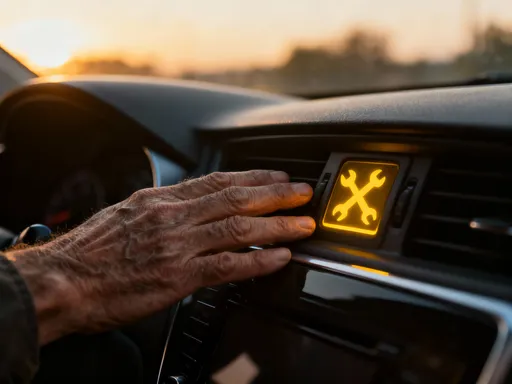
I’ll never forget the morning my commute turned into a wake-up call. It was just after dropping the kids at school, and a small amber light shaped like a wrench appeared on my dashboard. I’d seen it before—usually after an oil change—but this time, it didn’t go away. My first instinct? Ignore it. I had groceries to buy, a work call to prep for, and frankly, I didn’t have time to deal with car trouble. But then, that little icon stayed with me all day, like a quiet voice saying, “You’re forgetting something important.”
That evening, I finally looked it up—not in the manual, but in a mom’s Facebook group where someone had posted about the same light. Turns out, it wasn’t just about oil. It was a system-wide reminder that several maintenance points were nearing their limits: air filter, cabin filter, and most critically, the timing belt inspection. I called my mechanic the next day, and she confirmed it—my timing belt was showing early signs of wear. If I’d waited another 2,000 miles, she said, it could have snapped, causing catastrophic engine damage. Repair? At least $1,800. Replacement? Under $400. That moment changed everything.
Before that, I treated my car like most people do—a tool, not a teammate. I filled it with gas, wiped off the snow, and hoped it wouldn’t let me down. But that wrench light wasn’t a threat. It was protection. It wasn’t yelling at me; it was looking out for me. From that day on, I stopped seeing dashboard alerts as nuisances. I started seeing them as part of a conversation—one that could save me money, stress, and time. And honestly, it made me feel more in control, not less.
What Most Drivers Miss in Their Weekly Commute
Think about your daily drive. The school run. The grocery loop. The quiet moments between errands. Most of us tune out—music on, coffee in hand, mentally checking off the to-do list. But while we’re distracted, our cars are quietly gathering data. Tire pressure. Battery health. Brake pad thickness. Engine temperature. These aren’t abstract numbers—they’re real-time signals about the condition of your vehicle. And here’s the thing: modern cars can detect tiny changes long before they become big problems.
I learned this the hard way during a trip to visit my sister last winter. A small alert popped up: “Tire Pressure Low—Right Front.” I glanced at it and thought, “It’s cold out—tires always lose pressure in winter.” But instead of brushing it off, I pulled over at the next gas station. The reading? 28 psi instead of the recommended 32. Not a blowout yet, but definitely underinflated. I filled it up, and the system reset. But later, my mechanic found a tiny nail in the tread—nothing that had caused a leak yet, but definitely on its way. Because the car alerted me early, I avoided a roadside emergency on a dark highway with the kids in the backseat.
That experience taught me something powerful: these alerts aren’t about perfection. They’re about prevention. A half-pound drop in pressure, a slight voltage dip in the battery, a millimeter of brake wear—these are the early whispers of trouble. And when you listen, you’re not just maintaining your car. You’re protecting your time, your safety, and your peace of mind. Most drivers wait until the check engine light turns red or the engine sputters. But by then, the problem is already here. The real benefit of today’s car tech isn’t luxury—it’s foresight.
The Hidden Language of Car Alerts (And Why No One Teaches You)
Let’s be honest—no one hands you a decoder ring when you buy a car. Sure, there’s a manual, but who reads 400 pages of technical jargon? I certainly didn’t. I learned about my car’s alerts the way most of us do: through trial, error, and a few panicked Google searches. But over time, I realized something: these alerts aren’t random. They’re a language. And once you start learning it, your car starts feeling less like a mystery and more like a companion.
Take the difference between a yellow wrench and a red engine light. One is a gentle nudge: “Hey, it’s time to talk about maintenance.” The other is an urgent warning: “Stop driving now.” I used to lump them all together as “bad news.” But now I see the nuance. A yellow light is like a calendar reminder for a doctor’s checkup—routine, preventable, manageable. A red light is the emergency room. And there are others: a battery symbol that means “charging system issue,” a brake symbol that could mean worn pads or low fluid, a tire with an exclamation point that’s all about pressure.
I started treating these alerts like appointments. When the oil change reminder came up, I didn’t delay. I scheduled it like I would a haircut or a pedicure—something small that keeps me feeling put together. When the tire pressure light blinked, I didn’t assume it was the weather. I checked it, filled it, and thanked the car for looking out. This shift in mindset made a huge difference. Instead of dreading car care, I began to appreciate it. It wasn’t a chore. It was a way of honoring something that carries me, my family, and my life from place to place. And the more I listened, the more reliable my car became.
How Small Reminders Gave Me Back Time and Peace
Before I started paying attention to alerts, my relationship with car maintenance was reactive. Something would go wrong, I’d scramble to find a mechanic, miss work, pay more than I wanted, and stress about whether I was being overcharged. It felt like a punishment for not paying attention. But now? It’s the opposite. I get alerts weeks in advance—“Oil life at 15%,” “Brake pads at 20%,” “Next service due in 1,200 miles.” These aren’t demands. They’re invitations to plan.
I remember one month when I was juggling a big project at work and my youngest had a string of sick days. The last thing I needed was a car emergency. But instead of panic, I got a simple notification: “Oil change recommended in 10 days.” I opened my calendar, booked a 30-minute slot at my trusted shop, and added it to my reminders. No stress. No surprises. I even scheduled it for the same morning as my coffee run, so I could grab a latte while I waited. That small act—planning instead of reacting—freed up mental space I didn’t even know I was using.
And it’s not just about oil. The car tracks fluid levels, filter conditions, and even battery health. When the cabin air filter needed replacing, I got a message that said, “Air quality inside the car may be reduced.” I didn’t even know I cared—until I realized I’d been sneezing more on drives. I replaced it, and the difference was immediate. Cleaner air. Less dust. A more pleasant ride. These alerts didn’t just keep my car running. They improved my daily experience. I wasn’t just saving money on repairs. I was gaining time, comfort, and a sense of calm that spilled over into the rest of my life.
Teaching My Family to Trust the Beeps (Even My Skeptical Spouse)
Getting my husband on board wasn’t easy. He grew up in a world where cars were fixed when they broke, not before. “That light’s always on,” he’d say, waving a hand at the dashboard. “It’s probably nothing.” I tried explaining, but it didn’t stick—until the day the transmission warning light came on during his commute. It was a faint yellow icon, easy to ignore. But because we’d started paying attention, he pulled over and called me. We looked it up together, and it pointed to a possible issue with the transmission fluid level.
He took it in that afternoon. The mechanic found the fluid was low and contaminated—likely from a small leak that hadn’t caused symptoms yet. They topped it off, sealed the leak, and reset the system. Cost? Under $200. If he’d kept driving, the mechanic said, the transmission could have overheated, leading to a $2,000+ repair. That moment was a turning point. Suddenly, the alerts weren’t abstract. They were real, tangible, and valuable. He started noticing them too—tire pressure, battery health, even the washer fluid warning.
We made it a family habit. Now, when the kids get in the car, they’ll say, “Did you check the lights, Mom?” And if a beep happens, instead of annoyance, there’s curiosity. “What’s it saying?” We treat it like a team check-in. We’ve even set up a shared calendar where service dates are blocked off like school events. It’s not perfect—sometimes we forget, sometimes we’re busy—but the mindset has shifted. Car care isn’t a burden. It’s part of how we take care of each other. And that, more than anything, has made the difference.
Beyond the Dashboard: Apps That Turn Alerts into Action
Here’s something I didn’t expect: my car and my phone became best friends. Through a free app from the manufacturer, I can now see my car’s health status from anywhere. Is the battery holding charge? Are the tires properly inflated? When’s the next service due? It syncs with the dashboard and sends me notifications—sometimes even before the car does. But it doesn’t just tell me what’s wrong. It tells me what to do.
One evening, I got a message: “Brake pads at 15%.” The app didn’t stop there. It showed me a short video explaining why brake pads matter, how driving habits affect wear, and even a 3D diagram of the brake system. Then it offered three options: schedule service at a certified dealer, find an independent shop nearby, or watch a tutorial if I wanted to check them myself (which I didn’t—no wrench in my purse!). I tapped “Schedule,” picked a date, and it booked the appointment automatically. No calls. No confusion. Just peace of mind.
The app also tracks my service history, so I always know what’s been done and when. It reminds me about seasonal checks—like switching to winter tires or checking the battery before a road trip. And sometimes, it even shares discounts for maintenance services at partner shops. It’s not just a tool. It’s a guide. And for someone like me—who doesn’t speak “car” fluently—it’s been a game-changer. I don’t feel lost. I don’t feel overwhelmed. I feel supported. The technology isn’t replacing me. It’s empowering me to make smarter, calmer choices.
The Quiet Confidence of Knowing Your Car Has Your Back
The biggest change since I started listening to my car’s alerts isn’t mechanical. It’s emotional. I don’t lie awake wondering if the car will make it through the week. I don’t tense up when I hear a strange noise. I don’t dread the repair bill that could derail my budget. Instead, I feel a quiet confidence—a sense that I’m not alone in this. My car isn’t just a machine. It’s a partner that’s looking out for me, every mile of the way.
That confidence has spilled over into other parts of my life. When I feel overwhelmed, I remind myself: if I can manage this car, I can manage anything. The skills I’ve learned—paying attention, planning ahead, trusting small signals—apply everywhere. They’ve made me a better planner, a calmer driver, and honestly, a more present mom. I’m not sweating the small stuff as much, because I’ve learned that the small stuff is what prevents the big stuff.
And here’s the truth: I didn’t spend more money. I didn’t buy a new car. I didn’t become a mechanic. I just started paying attention to what was already there. Those quiet alerts—those tiny digital whispers—weren’t interruptions. They were gifts. They helped my car last three years longer than my last one. They saved me over $1,500 in avoided repairs. But more than that, they gave me something priceless: calm, control, and the quiet joy of knowing I’ve got this. So the next time your car beeps, blinks, or flashes—don’t ignore it. Thank it. Because it’s not just keeping your car running. It’s helping you live with a little more ease, every single day.