I’ll save it for later never happened: How family digital spaces keep our memories (and kids) organized
We’ve all been there—your child excitedly shows you a drawing they made on the tablet, and you say, “Don’t worry, I’ll save it.” But then life happens. The device gets updated, files vanish, and that precious moment is gone. Sound familiar? You’re not alone. In our busy lives, keeping track of family moments and helping kids manage their digital world feels overwhelming. But what if technology could quietly organize it all—without adding more to your plate? What if, instead of chasing lost files, we could just *be* with our kids, knowing everything is safe, sorted, and ready to share?
The Messy Reality of Family Digital Life
Let’s be honest—our homes are full of digital clutter. Not the kind you can sweep under the rug, but the kind that hides in plain sight: photos buried in phone albums, school projects lost in email threads, voice messages from Grandma tucked into forgotten apps. Every day, our families create dozens of digital moments. A child’s first typed story. A video of them riding a bike without training wheels. A colorful science fair poster scanned and sent home. These aren’t just files—they’re milestones. Yet too often, they end up scattered across devices, half-saved, or accidentally deleted.
Think about the last time your child asked, “Where’s that video of my dance recital?” And you searched, tapped, scrolled—only to come up empty. That moment isn’t just frustrating. It carries weight. It’s not just about the file. It’s about the pride in their eyes when they wanted to show it again. It’s about the connection you both felt when it was first recorded. When we lose these digital memories, we don’t just lose data—we lose a piece of our family story. And for kids, that loss can feel like their effort didn’t matter. That no one cared enough to keep it.
At the same time, we’re trying to teach our children how to manage their own digital lives. We tell them to save their work, back it up, name their files. But how can they learn when even we’re struggling? The truth is, most of us aren’t bad at tech. We’re just using tools that weren’t built for real life. Generic cloud drives ask us to remember folder names, create systems, and stay consistent. But life with kids doesn’t follow a filing system. It’s messy, emotional, and unpredictable. What we need isn’t more rules. We need tools that work *with* our lives, not against them.
Why "Just Save It" Doesn’t Work for Kids (or Adults)
We’ve all said it: “Just save it.” But how often does that actually happen? For kids, the idea of saving a file feels abstract. Where do they save it? What do they name it? And why does it matter *now*? The human brain—especially a child’s developing one—isn’t wired to prioritize future organization. We rely on something psychologists call “prospective memory”—the ability to remember to do something later. But it’s fragile. A loud noise, a sudden interruption, a hungry toddler—any of these can wipe out that “I’ll save it later” intention in seconds.
Take 10-year-old Mia, for example. She spent three days making a digital slideshow about sea turtles for school. She added photos, recorded her voice, even animated the transitions. Proud, she showed it to her mom after dinner. “It’s amazing!” her mom said. “I’ll save it to the family drive tomorrow.” But the next day, the tablet updated overnight. The app reset. The file was gone. Mia didn’t just lose her project. She lost confidence. “Why should I work hard if it just disappears?” she asked. That moment wasn’t about tech failure. It was about emotional safety. When our efforts vanish, we feel unseen.
And it’s not just kids. Adults struggle too. We open a document, promise to file it later, and then—life. A text comes in. The dog needs walking. The baby wakes up. That file stays open, forgotten. We don’t lack discipline. We lack systems that fit how we actually live. Teaching kids to “save their work” only works if the process is simple, automatic, and tied to emotion. If saving feels like a chore, it won’t stick. But if it feels like sharing, remembering, and being proud—then it becomes part of who they are.
Introducing Family Digital Spaces: More Than Just Cloud Storage
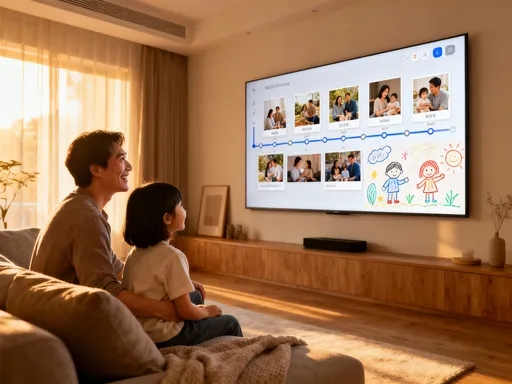
So what’s the alternative? Enter family digital spaces—shared, intuitive environments designed for real families, not IT departments. These aren’t just cloud folders with fancy names. They’re living archives that grow with your family. Think of them as a digital home for your memories, where photos, schoolwork, voice notes, and videos live together—not scattered, but connected by time, person, or theme. Instead of searching for “science_project_final_v2,” you tap on “Liam, Age 9” and see everything in one place: his book report, soccer highlights, and a voice note of him singing at the school concert.
What makes these spaces different? First, they’re designed for emotional connection, not just storage. When your daughter uploads a drawing, the system might automatically tag it with the date, her name, and even the weather that day. Later, you can search “rainy day art” and find all the crayon masterpieces made during thunderstorms. Or you can say, “Show me everything from last summer,” and watch a timeline unfold—camp photos, a video of the family barbecue, even the grocery list from the lake house.
Second, they adapt to your family’s rhythm. For younger kids, the interface is visual—big icons, voice commands, simple taps. A 6-year-old can say, “Save my dinosaur drawing,” and the system knows to tag it under “Creativity” and “Age 6.” As kids grow, the tools grow with them. A teenager can organize college essays, internship applications, and extracurricular records in private folders, while still sharing select moments with the family. The system learns your habits. It reminds you to back up before a device update. It gently nudges, “You haven’t saved anything from school this week—want to review your files?”
And here’s the best part: it’s not about perfection. You don’t need to name files perfectly or create complex folders. The tech does the heavy lifting. Automatic sorting, smart tagging, and facial recognition help keep things in place—without you lifting a finger. It’s not about controlling the digital world. It’s about making it feel like a natural extension of your family life.
How These Tools Transform Parent-Child Interactions
When technology works quietly in the background, something beautiful happens: we show up more. We stop searching and start sharing. Imagine this: your 8-year-old runs to you after school, tablet in hand. “Mom, I wrote a poem!” Instead of panicking about where to save it, you smile and say, “Let’s put it in our family space.” You tap a button. The system asks, “Would you like to add a voice recording of you reading it?” She nods. You record her reading, her voice a little shy but proud. Later that week, during dinner, you pull it up. “Remember this?” you say. She beams. “I forgot I wrote that!”
That moment isn’t just about the poem. It’s about being seen. It’s about knowing your words matter. And it’s about the bond that grows when we take the time to preserve what matters. These tools don’t replace connection—they make space for it. When a child knows their work will be found, shared, and remembered, they’re more likely to create, to try, to share again. They learn that their voice has value.
And it’s not just about schoolwork. Think about planning a family trip. Instead of emails and sticky notes, you create a shared album. Everyone adds ideas—your son pins a video of a roller coaster he wants to ride, your daughter uploads a drawing of the hotel pool, you add flight details. The night before you leave, you sit together and watch it unfold. “Remember when we planned this?” you say. “We were so excited.” That album becomes part of the memory—not just a record of it, but a piece of the experience.
These spaces also help during tough moments. When a child is struggling—maybe they didn’t do well on a test or had a hard day at school—being able to look back at past successes can be comforting. “Remember when you were nervous about your spelling bee?” you might say. “And then you won second place? You’ve got this.” The digital space becomes a source of encouragement, a quiet reminder of growth and resilience.
Building Information Skills Early—Without the Lecture
One of the most powerful things about family digital spaces is how they teach organization without a single lecture. Kids don’t learn by being told to “be responsible.” They learn by doing—by living in a system that makes good habits easy. When a child uploads a file and the system asks, “Would you like to tag this as ‘Art,’ ‘School,’ or ‘Fun’?” they start thinking about categories. When they see their mom add a note like, “This is my favorite drawing of the year,” they learn that organization isn’t cold or technical—it’s emotional, meaningful.
Take 7-year-old Noah. Every season, he likes to draw what he sees outside. With his family’s digital space, he started tagging his drawings: “Spring Flowers,” “Summer Bugs,” “Fall Leaves.” He didn’t do it because he was told to. He did it because it felt fun—like building a collection. Over time, he began naming his files too: “Robins in the Yard – April 2024.” His parents didn’t correct him or make it a lesson. They just celebrated it. “Look at how organized you are!” And slowly, that sense of pride turned into a habit.
For older kids, the skills deepen. A 15-year-old might use the space to manage college prep: one folder for transcripts, another for recommendation letters, a third for scholarship applications. The system reminds her to update deadlines, and she can share certain folders with her parents for feedback. She’s not just storing files. She’s learning time management, responsibility, and communication. And because the system feels personal—not like a school assignment—she’s more likely to stick with it.
These tools don’t turn kids into mini-filing clerks. They help them become thoughtful creators, confident in their ability to manage their world. And that confidence doesn’t stay in the digital space. It spills into school, friendships, and future goals. They learn that being organized isn’t about control. It’s about care—for their work, their time, and themselves.
Making It Work for Your Family: Simple Steps to Start
If this sounds good but overwhelming, take a breath. You don’t need to do it all at once. Start small. Pick one thing—a drawer of old drawings, a folder of school projects, a box of printed photos—and digitize just that. Use your phone to take pictures of the drawings. Upload them to your family space. Name them with the child’s name and date. That’s it. You’ve begun.
Next, set up shared access. Most family digital platforms let you create individual profiles for each child, plus parent controls. Invite your kids to join. Let them explore. Show them how to upload something they’re proud of. Make it a moment, not a task. “Hey, I made a special place for our family memories. Want to help me fill it?”
Then, create a rhythm. Choose a low-pressure time—maybe Sunday evenings or Friday afternoons—for a “memory moment.” Spend 10 minutes together reviewing what’s been added. Play a voice note. Laugh at a silly video. Say, “I love this photo of you two building that sandcastle.” These small rituals build connection and reinforce the habit.
Use voice notes to add emotion. When your child shares a file, record a quick message: “I love how hard you worked on this!” or “This made me smile today.” These audio hugs live with the file, becoming part of the memory. And don’t forget to include the everyday moments—the grocery list from vacation, the doodle on a napkin, the voice message from Grandpa telling a joke. Those are the things that, years from now, will make you tear up.
The key is consistency, not perfection. Some weeks, you’ll forget. Some files won’t get tagged. That’s okay. The goal isn’t a flawless archive. It’s a living, breathing record of your family’s journey—one that makes you feel calmer, closer, and more in control.
The Calm That Comes With Being Organized
At the end of the day, this isn’t just about technology. It’s about peace. It’s about walking into the living room and not feeling that low hum of stress—“Did I save that essay?” “Where’s the birthday video?” “I know it’s somewhere…” When your digital life is organized, that noise fades. You breathe easier. You’re more present. You look up from your phone and really see your child’s face.
And for your kids, that presence matters more than any file. When they know their work is safe, they feel safe. When they see you taking time to preserve their creations, they learn they are valued. These digital spaces don’t replace bedtime stories or kitchen dance parties. But they support them. They free up mental space so you can focus on what really matters—being together.
Imagine a future where your teenager is packing for college. They open the family digital space and scroll through 12 years of memories—first steps, science fairs, holiday traditions, quiet moments. They pause on a video of themselves at age 6, proudly reading a story they wrote. “I forgot I made this,” they say, smiling. “I was kind of a genius, huh?” And you laugh, because you remember that night, how proud they were, how you saved it without even thinking—because the system made it effortless.
That’s the power of thoughtful technology. It doesn’t demand your attention. It doesn’t add to the noise. It quietly holds your memories, supports your growth, and strengthens your bonds. It doesn’t replace love. It makes room for more of it. And isn’t that exactly where technology should belong—in the background, doing its job, so we can stay in the foreground, living our lives?”