Tired of Feeling Helpless When Caring for Aging Parents? This Changed Everything
Caring for an aging parent used to leave me overwhelmed—juggling doctor visits, medications, and endless calls with siblings who never seemed to be on the same page. I felt isolated, unsure, and constantly worried I was missing something important. There were days I’d hang up the phone after a confusing conversation with a pharmacist, only to realize I’d forgotten to ask about a new prescription. Other times, I’d lie awake at night, wondering if my mom had taken her blood pressure medication or if someone else was supposed to check in on her. The weight of it all made me feel like I was failing—even though I was doing my best. Sound familiar? If so, I want you to know this: you’re not broken, and you’re not alone. What changed everything for me wasn’t a miracle cure or a professional nurse—it was something simpler, smarter, and surprisingly human: a shared digital space where our family could finally work together, clearly and calmly.
The Breaking Point: When Caregiving Feels Like Drowning
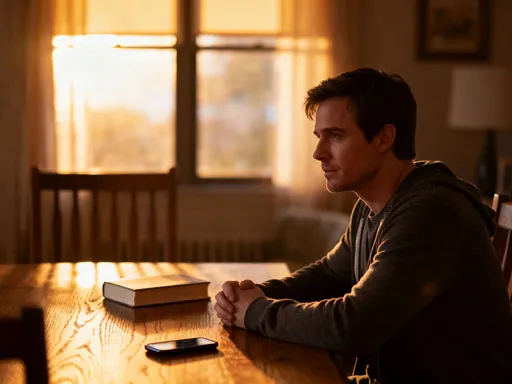
It happened on a rainy Tuesday afternoon. My father had just returned from a cardiology appointment, and I was trying to update his medication list. I had sticky notes stuck to the fridge, a crumpled paper from the doctor’s office, and three different text threads with my siblings—each of us claiming someone else had the latest version. I called the clinic, only to be put on hold for 20 minutes. By the time I got through, I was flustered and near tears. I gave the nurse what I thought was the correct list, but later found out I’d mixed up two similar-sounding drugs. Thankfully, it was caught before anything serious happened, but that moment shook me to my core. What if I hadn’t caught it? What if someone else made the same mistake?
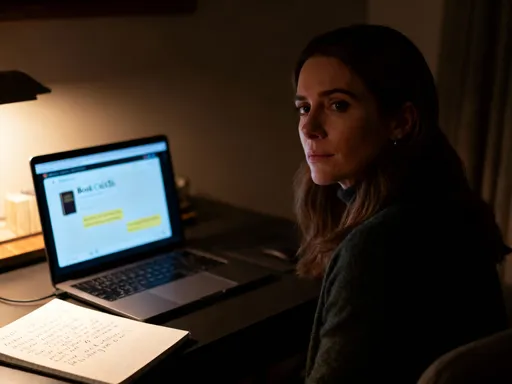
That incident wasn’t an outlier—it was the tipping point. For months, I’d been running on fumes, trying to manage everything myself. I kept a notebook by my bed, filled with scribbled reminders: “Call neurologist,” “Check blood sugar logs,” “Ask about diet changes.” But paper fades, pages get lost, and memories fail—especially when you’re sleep-deprived and stressed. My siblings wanted to help, but without clear information, they often ended up repeating tasks or missing them altogether. One sister thought I’d already scheduled a physical; another assumed someone else was handling insurance paperwork. The lack of coordination didn’t just waste time—it created tension. We weren’t angry at each other, but frustration simmered beneath the surface. I felt guilty for snapping. They felt guilty for not doing enough. And all the while, Dad just wanted to feel cared for, not like a problem to be managed.
What I didn’t realize then was that our family wasn’t failing—we were just using tools from another era. Sticky notes and memory aren’t equipped for the complexity of modern elder care. Medications change. Doctors rotate. Appointments pile up. And when multiple people are involved, the risk of miscommunication skyrockets. I wasn’t lazy or disorganized. I was trying to do something incredibly hard with outdated methods. The real problem wasn’t my effort—it was the system. And once I saw that, I knew I needed a better way.
Discovering a Different Path: How Knowledge Sharing Came to the Rescue
The idea came from an unexpected place—a casual conversation with a friend whose mother had Alzheimer’s. She mentioned how her family used a private online space to keep track of everything: doctor names, care schedules, even her mom’s favorite songs for calming moments. I’ll admit, my first thought was skepticism. Another app? Another thing to learn? I was already juggling five different calendars and two reminder systems. The last thing I needed was more tech clutter.
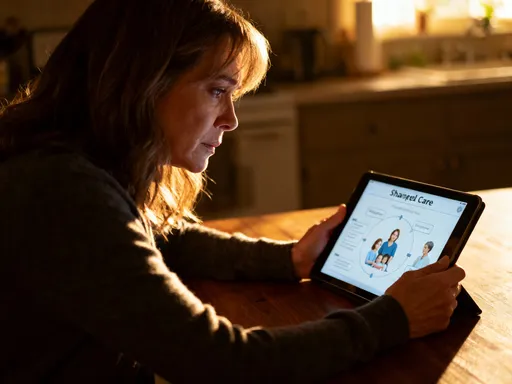
But when she showed me how simple it was, something clicked. This wasn’t about fancy features or data overload. It was about creating one trusted place where everyone in our family could see the same information—no more guessing, no more conflicting versions. The platform was secure, easy to access from any phone or tablet, and didn’t require any technical skills. No coding. No setup headaches. Just a clean, organized space where we could upload documents, leave notes, and get updates in real time.
I started small. I scanned Dad’s latest medical summary and uploaded it. I added his medication list, making sure to include dosages and times. Then I invited my siblings. Within hours, my sister in Chicago added a note about a conversation she’d had with the pharmacist. My brother updated the appointment calendar with a new eye exam. For the first time in years, we were all looking at the same page—literally. No more “I thought you handled that.” No more duplicate calls. Just clarity. And with clarity came something I hadn’t felt in a long time: relief.
Building a Circle of Care: Turning Family into a Team
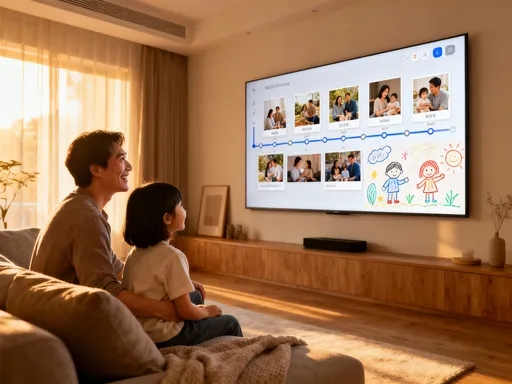
One of the most beautiful changes was how our family dynamics shifted. Before, caregiving felt like a burden I carried alone, with occasional help from others. Now, it felt like a shared mission. My siblings weren’t just informed—they were involved. When Dad needed a ride to his physical therapy session, instead of me begging for help, someone would volunteer. When a doctor left a message, we could all see it and decide who would call back. The platform didn’t make decisions for us, but it made decision-making easier by giving us the facts we needed, together.
I remember one evening when Dad’s blood sugar dropped unexpectedly. In the past, I would have panicked, trying to remember what the doctor said about low readings. But this time, I opened the platform and found a clear note from his endocrinologist with step-by-step instructions. I followed them, stayed calm, and within an hour, Dad was stable. Later, I added a care note describing what happened and what worked. The next day, my sister commented: “Thank you for documenting that. Now I know what to do if I’m here alone.” That moment meant more than I can say. It wasn’t just about safety—it was about trust. We were learning from each other. We were becoming a team.
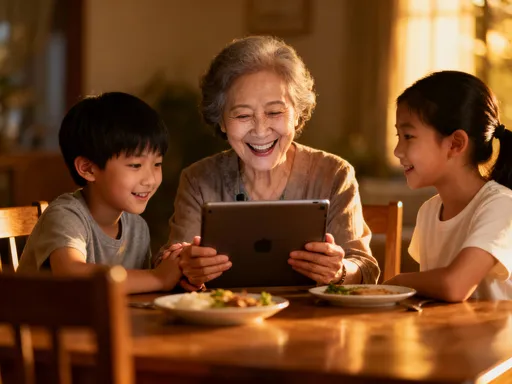
Even distant relatives felt more connected. My cousin in Colorado, who lived too far to help with hands-on care, started checking in regularly. She’d read the updates, leave encouraging messages, and even research nutrition tips for Dad’s condition. It gave her a way to contribute without being overwhelmed. And for Dad, it meant more love reaching him—more voices, more attention, more reminders that he mattered. The platform didn’t replace personal visits, but it made distance feel smaller.
Smarter Days, Calmer Nights: Daily Wins with Shared Knowledge
The little things started to get easier—and that made all the difference. No more calling the pharmacy three times to confirm a refill. No more showing up to appointments without the right documents. The medication tracker sent automatic reminders, and when someone updated the log, the whole family could see it. If Dad skipped a dose, we knew quickly and could respond. If a new symptom appeared, we could note it right away, so the doctor had a complete picture at the next visit.
One of my favorite features was the shared journal. Instead of relying on memory at doctor’s appointments, we could pull up notes from the past few weeks: “Dad seemed more tired after lunch on Tuesday,” “He enjoyed the apple slices yesterday,” “Complained of leg pain after walking.” These small observations, when recorded consistently, helped the care team spot patterns and adjust treatment. The nurse even complimented us on how well-prepared we were. “Most families don’t track this much,” she said. I smiled, knowing it wasn’t because we were extraordinary—just because we finally had the right tool.
And then there were the quiet victories. Like the first night I slept through without waking up to check on Dad. I knew my sister was on duty, and she’d promised to message if anything came up. But more than that, I trusted the system. If something urgent happened, she could update the log, alert the family, and take action—without me needing to be the middleman. I didn’t feel guilty for resting. I felt empowered. Because taking care of myself wasn’t neglect—it was sustainability.
Empowerment Over Exhaustion: Growing as a Caregiver
Here’s what surprised me most: as the chaos faded, I started to grow. I wasn’t just surviving caregiving—I was learning. The platform had a section where family members could share tips: how to help Dad stand safely from his chair, which grip socks worked best, how to make his favorite soup in a heart-healthy way. At first, I just read them. Then I started adding my own. I found myself researching more, asking better questions at appointments, and even suggesting small improvements to his routine.
I realized I wasn’t just a caregiver—I was becoming an advocate. And that shift changed everything. Instead of feeling helpless, I felt capable. Instead of dreading the next crisis, I felt prepared. The knowledge didn’t eliminate challenges, but it gave me confidence. I could say, “I don’t know the answer yet, but I know where to find it.” That’s a powerful thing when you’re responsible for someone you love.
And it wasn’t just about information—it was about emotional resilience. When I felt overwhelmed, I could look back at the care notes and see how far we’d come. I could read messages from my siblings saying, “You’re doing great,” or “Thank you for leading this.” The platform became a record of our love, not just our tasks. It reminded me that caregiving, at its best, is an act of devotion—and that I didn’t have to do it perfectly to do it well.
Bridging Generations: Technology That Respects Dignity
I know some people worry that technology might make care feel cold or impersonal. I did too, at first. But what I’ve learned is that the right tools don’t replace human connection—they protect it. When we use a shared platform, we’re not reducing our parent to data points. We’re honoring their story. We’re capturing the details that make them who they are: the tea they like in the morning, the way they prefer their blanket folded, the hymn that calms them when they’re anxious.
One of the most meaningful parts of the platform is the personal profile we built for Dad. It includes not just his medical history, but his life history: his favorite books, his war stories, the names of his childhood pets. When new caregivers join—like a visiting nurse or a home aide—they can read this and see him as a whole person, not just a patient. It helps them connect. It helps them care better. And it reminds us, every time we log in, that this isn’t just about managing symptoms—it’s about preserving dignity.
Technology, at its best, serves love. It doesn’t hug your parent for you. It doesn’t hold their hand. But it can make sure that when you’re not there, someone else knows how they like their eggs, or that they hate loud noises, or that they always want to end the day with a prayer. Those details matter. And now, thanks to this simple tool, they’re never lost.
A New Normal: Peace of Mind That Lasts
Today, caregiving still has its hard days. There are moments of sadness, fatigue, and uncertainty. But the constant fear—the nagging worry that I’m failing—has quieted. I still make mistakes. We all do. But now, when something goes wrong, we fix it together. We learn. We adjust. And we keep going.
The platform didn’t solve every problem. But it gave us something invaluable: a foundation. A place where information lives, where love is documented, where family can come together—even when we’re miles apart. It didn’t make me a perfect caregiver. It made me a supported one. And that’s made all the difference.
If you’re in the thick of it right now—if you’re tired, overwhelmed, and wondering if there’s a better way—I want you to know this: there is. You don’t have to choose between caring for your parent and caring for yourself. You don’t have to do it all alone. With the right tools, you can be organized without being obsessed, involved without being exhausted, loving without losing yourself.
Caring doesn’t have to mean sacrifice. It can mean connection. It can mean growth. It can mean peace. And sometimes, all it takes is one small change—a shared space, a clear plan, a moment of clarity—to transform the entire journey. You’re not behind. You’re not failing. You’re exactly where you need to be. And from here, with the right support, you can move forward—not just surviving, but thriving, one calm, confident day at a time.