Why My Anti-Aging Routine Almost Backfired — And What I Learned About Real Body Recovery
I used to think anti-aging was all about glowing skin and fewer wrinkles—until I pushed too hard and crashed. Overtraining, extreme diets, and non-stop supplements left me exhausted, not younger. That’s when I realized: true body recovery isn’t about fighting age, it’s about working with your body. This is what I wish I knew earlier. What if the very things we do to look younger are quietly accelerating our decline? For many women in their 30s, 40s, and beyond, the pursuit of youth has become a full-time job—filled with green juices, high-intensity workouts, and endless jars of pills. But beneath the surface, something critical is being overlooked: the body’s need to rest, repair, and regenerate. This article explores how I learned, the hard way, that lasting vitality comes not from pushing harder, but from recovering smarter.
The Anti-Aging Trap: Chasing Youth at Any Cost
For years, the anti-aging industry has sold a compelling promise: stay young, stay beautiful, stay strong—no matter the cost. Advertisements show radiant women with smooth skin and boundless energy, implying that with the right serum, supplement, or fitness plan, aging can be slowed, if not stopped. But behind these glossy images lies a growing reality: many women are sacrificing their long-term health in the name of looking younger today. The trap is subtle. It begins with good intentions—wanting to feel confident, healthy, and in control. But it quickly spirals into extreme behaviors: cutting out entire food groups, exercising through pain, and relying on stimulants to keep up with the pace.
What makes this trap so dangerous is that it masquerades as self-care. Skipping meals for intermittent fasting, logging double-digit workouts per week, or loading up on collagen powders and adaptogens—these habits are often praised in wellness circles as signs of discipline. Yet, when taken too far, they can disrupt the body’s natural rhythms. Research shows that chronic calorie restriction, especially without adequate protein and healthy fats, can lead to muscle loss, hormonal imbalances, and a slower metabolism. For women over 30, these changes can be especially disruptive, affecting sleep, mood, and energy levels in ways that mimic accelerated aging.
The real cost of this approach isn’t just physical—it’s emotional. Many women report feeling anxious, guilty, or defeated when they can’t maintain these intense routines. The message becomes clear: if you’re not doing more, you’re falling behind. But this mindset ignores a fundamental truth—health is not a punishment. True longevity doesn’t come from denying the body, but from nurturing it. The shift begins when we stop viewing aging as an enemy and start seeing it as a natural process that can be supported, not suppressed. Instead of chasing external signs of youth, we must focus on internal balance—on giving the body what it truly needs to thrive at every stage of life.
When Recovery Gets Ignored: The Hidden Cost of Hustle Culture
In today’s world, being busy is often worn like a badge of honor. The idea that rest is laziness—and that more effort always leads to better results—has seeped deep into modern wellness culture. This mindset is especially strong in the anti-aging space, where women are encouraged to do more: more workouts, more cleanses, more productivity. But what’s rarely discussed is the toll this takes on the body’s ability to recover. Rest is not a luxury; it is a biological necessity. Without it, the body cannot repair tissues, regulate hormones, or strengthen the immune system—all of which are essential for healthy aging.
Chronic stress, whether physical or emotional, triggers the release of cortisol, a hormone designed to help us respond to immediate threats. But when cortisol levels remain elevated over time—due to overtraining, poor sleep, or constant pressure—the body remains in a state of alert. This prolonged stress response has been linked to increased inflammation, reduced cellular repair, and even shorter telomeres, the protective caps on our DNA that shorten with age. In essence, the very habits meant to keep us young may be doing the opposite by accelerating biological aging at the cellular level.
Women in their 30s and 40s are particularly vulnerable to this cycle. Many are juggling careers, family responsibilities, and personal goals, leaving little time for true rest. The idea of slowing down can feel like failure. But science tells a different story. Studies show that women who prioritize recovery—through adequate sleep, mindful movement, and stress management—report higher energy levels, better mood stability, and improved skin health over time. The lesson is clear: recovery is not the opposite of progress. It is the foundation of it. When we stop glorifying burnout and start honoring our body’s need for balance, we create the conditions for lasting vitality.
What Is Body Recovery, Really? Beyond Just Rest
Recovery is often misunderstood as simply taking a day off or sleeping in. But in reality, it is a complex, active process that happens at the cellular level. When we rest, our body doesn’t shut down—it shifts into repair mode. Muscles rebuild, inflammation decreases, and hormones rebalance. One of the most critical aspects of recovery is cellular regeneration, a process driven by the body’s natural repair mechanisms. During deep sleep, for example, growth hormone is released, supporting tissue repair and muscle maintenance. At the same time, the brain clears out metabolic waste through the glymphatic system, a process essential for cognitive health and long-term brain function.
Another key player in recovery is the mitochondria, the energy-producing structures inside our cells. These tiny powerhouses require downtime to function efficiently. When we constantly push through fatigue without rest, mitochondria become overworked and less effective, leading to lower energy production and increased oxidative stress—a major contributor to aging. Recovery allows mitochondria to recharge, repair damage, and produce energy more efficiently. This is why women who prioritize rest often report feeling more alert and energized, even with less intense daily routines.
Recovery also supports the immune system. During periods of rest, the body produces cytokines, proteins that help fight infection and reduce inflammation. Chronic lack of recovery weakens this response, making the body more susceptible to illness and slower to heal. Over time, this can lead to persistent low-grade inflammation, which has been linked to a range of age-related conditions, from joint pain to skin dullness. The takeaway is simple: recovery is not passive. It is the time when the body does its most important work. By redefining rest as an essential, active part of health—not a sign of weakness—we begin to align our routines with what our bodies truly need to age well.
Common Pitfalls in Anti-Aging Routines That Hinder Recovery
Many popular anti-aging strategies, while well-intentioned, can unintentionally sabotage recovery. One of the most common pitfalls is over-exercising, particularly high-intensity interval training (HIIT) or excessive cardio without adequate rest days. While these workouts can boost metabolism and improve cardiovascular health, doing them too frequently without recovery can increase oxidative stress and cortisol levels, counteracting their benefits. The body needs time to adapt and repair after intense physical stress. Without it, muscle breakdown can outpace repair, leading to fatigue, joint pain, and slower recovery times—signs that the body is under too much strain.
Dietary extremes are another major obstacle. Trends like very low-carb diets, prolonged fasting, or cutting out entire food groups may lead to short-term weight loss, but they often deprive the body of essential nutrients needed for repair. Protein, for example, is crucial for muscle maintenance, skin elasticity, and hormone production. Without enough of it, the body struggles to rebuild tissues, leading to weaker muscles, thinner skin, and slower healing. Healthy fats, such as those found in avocados, nuts, and olive oil, are equally important. They support cell membrane integrity, hormone balance, and brain health—all of which play a role in healthy aging.
Another overlooked issue is the overuse of supplements and stimulants. While some vitamins and minerals can support health, taking high doses of certain compounds—especially without medical guidance—can disrupt natural bodily functions. For instance, excessive intake of stimulant-based fat burners or energy supplements can overtax the adrenal glands, leading to fatigue and hormonal imbalances. Similarly, relying on melatonin or sleep aids without addressing root causes of poor sleep can prevent the body from restoring its natural sleep-wake cycle. The goal should not be to replace the body’s functions with external fixes, but to support them with balanced, sustainable habits.
Listening to Your Body: The First Step Toward Smarter Recovery
One of the most powerful tools in anti-aging is also the most overlooked: listening to your body. Unlike fitness trackers or blood tests, your body communicates through subtle signals—fatigue, changes in appetite, mood shifts, or trouble sleeping. These cues are not signs of failure; they are valuable feedback. For example, feeling unusually tired after a workout may not mean you’re out of shape—it could mean you haven’t fully recovered from the last one. Joint stiffness, irritability, or difficulty concentrating can also indicate that your body is under stress and in need of rest.
Learning to interpret these signals requires stepping away from rigid routines and embracing a more intuitive approach to health. Instead of following a one-size-fits-all plan, this means adjusting your day based on how you feel. Some days, that might mean swapping a hard workout for a gentle walk or stretching session. Other days, it could mean eating a nourishing meal instead of skipping food to stick to a fasting schedule. This doesn’t mean abandoning structure—it means making it flexible enough to honor your body’s changing needs.
Tracking your energy levels, sleep quality, and emotional well-being over time can help you identify patterns. You may notice that certain foods, activities, or stressors consistently leave you feeling drained. With this awareness, you can make informed choices that support long-term balance rather than short-term results. Slowing down isn’t giving up—it’s choosing wisdom over willpower. When you start treating your body as a partner rather than a project, you create a healthier, more sustainable path to aging well.
Science-Backed Recovery Practices That Support Longevity
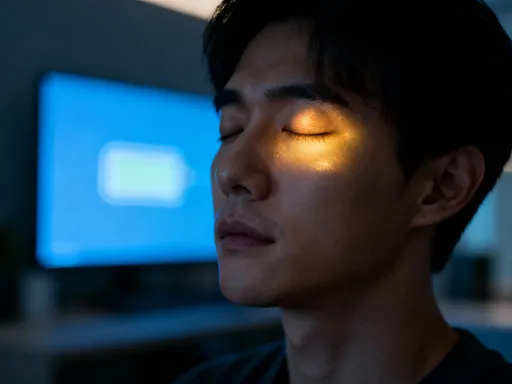
Sustainable anti-aging isn’t about extreme measures—it’s about consistent, science-supported habits that support the body’s natural ability to heal and renew. One of the most effective practices is quality sleep. Aim for 7–9 hours per night in a dark, cool, and quiet environment. Establishing a regular sleep schedule—even on weekends—helps regulate circadian rhythms, which control hormone release, metabolism, and cellular repair. Avoiding screens an hour before bed and limiting caffeine after noon can further improve sleep quality, allowing the body to enter deep, restorative stages more easily.
Nutrition plays an equally vital role. Focus on whole, nutrient-dense foods that provide the building blocks for recovery. Include lean proteins like eggs, fish, or legumes to support muscle and skin health. Incorporate healthy fats such as olive oil, nuts, and fatty fish to reduce inflammation and support brain function. Load your plate with colorful vegetables and fruits rich in antioxidants, which help neutralize free radicals and protect cells from damage. Staying hydrated is also essential—water supports digestion, circulation, and detoxification, all of which contribute to long-term vitality.
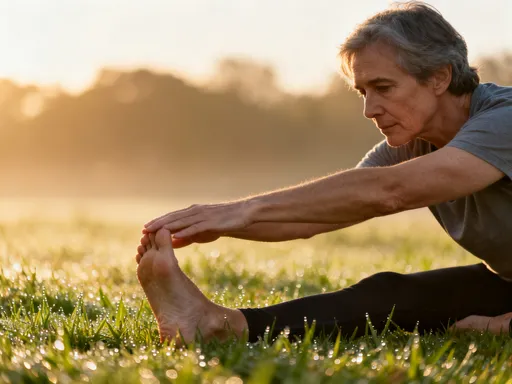
Low-impact movement is another cornerstone of smart recovery. Activities like walking, swimming, yoga, or tai chi improve circulation, reduce stiffness, and support joint health without overloading the body. These forms of exercise also activate the parasympathetic nervous system, which promotes relaxation and helps lower cortisol levels. Even 20–30 minutes a day can make a significant difference in energy, mood, and recovery speed.
Finally, stress-reduction techniques are essential. Mindful breathing, meditation, or even quiet time in nature can help calm the nervous system and improve emotional resilience. Studies show that regular mindfulness practice can reduce inflammation, improve sleep, and enhance overall well-being. The key is consistency, not perfection. Small, daily habits add up over time, creating a foundation of balance that supports healthy aging from the inside out.
A Smarter Path Forward: Anti-Aging Through Balance, Not Deprivation
True anti-aging is not about defying time—it’s about living well within it. The most powerful shift happens when we stop viewing health as a battle and start seeing it as a rhythm. Life is not meant to be constant effort; it is meant to be a cycle of action and rest, challenge and recovery. When we honor this natural balance, we give our bodies the conditions they need to function optimally at every age. This doesn’t mean giving up on fitness or self-care. It means redefining them in ways that are sustainable, kind, and deeply personal.
Longevity is not measured in how few wrinkles you have or how fast you can run a mile. It is measured in energy, clarity, resilience, and joy. Women who embrace a recovery-first approach often find that they feel stronger, look brighter, and live more fully—not because they’re doing more, but because they’re recovering better. They’ve learned that slowing down is not a step backward; it’s a step toward greater strength. They’ve traded exhaustion for endurance, and perfection for presence.
The journey to healthy aging is not linear. There will be days of energy and days of fatigue, moments of progress and moments of pause. And that’s okay. What matters is the overall direction—toward balance, toward listening, toward care. When we stop fighting our bodies and start working with them, we unlock a different kind of power: the quiet, steady strength of a life well-lived. This is not just anti-aging. This is real body recovery. And it’s available to every woman who is ready to embrace it—not with force, but with wisdom.