This Is How I Finally Made Fitness Stick — And Actually Loved It
For years, I chased workouts that promised fast results but left me burned out and discouraged. It wasn’t until I shifted from extreme routines to sustainable habits that real change happened. Managing my health stopped feeling like a punishment and started feeling like self-care. If you’ve ever quit a fitness plan or felt stuck, you’re not alone. This is how small, science-backed choices transformed my energy, mood, and strength — without the grind.
The Fitness Lie We’ve All Been Sold
From magazine covers to social media feeds, the message is everywhere: real fitness requires pain, long hours, and relentless discipline. We are told that unless we are drenched in sweat after an intense session, we haven’t truly worked out. This narrative has become so ingrained that many women feel guilty for choosing gentle movement over high-intensity training. The truth, however, is far more forgiving — and far more effective. Research consistently shows that moderate, regular physical activity delivers long-term health benefits just as well as, if not better than, extreme regimens. Yet, the myth persists, leading millions to overcommit, under-recover, and ultimately quit.
The problem with this all-or-nothing mindset is that it sets people up for failure. When fitness is framed as a test of willpower, one missed workout feels like a personal shortcoming. A single day off becomes two, then a week, and soon the entire routine collapses. Many women report feeling intimidated by gyms, where the equipment seems complicated and the atmosphere competitive. Others start ambitious 30-day challenges only to abandon them by day ten, discouraged by lack of visible results. The emotional toll of repeated attempts and perceived failures can be heavier than the physical inactivity itself.
What’s missing from this equation is sustainability. The body thrives on consistency, not intensity. Cardiovascular health, muscle strength, and mental well-being improve most when movement becomes a daily rhythm, not a weekend sprint. Experts in behavioral medicine emphasize that long-term success in health management comes not from dramatic changes but from small, repeatable actions. Instead of asking how hard you can push, the better question is: what can you do every day without dreading it? When fitness stops being a punishment and starts feeling like a form of self-respect, that’s when real transformation begins.
Why Most People Quit (And What Actually Works)
Understanding why fitness resolutions fail is the first step toward building one that lasts. Motivation is often blamed — the idea that people quit because they lack drive or determination. But behavioral science tells a different story. Motivation is fleeting; it rises and falls with mood, energy, and life circumstances. Relying on it to sustain a workout routine is like building a house on sand. What truly works is habit formation — the process of turning an action into an automatic part of your day, like brushing your teeth or making coffee.
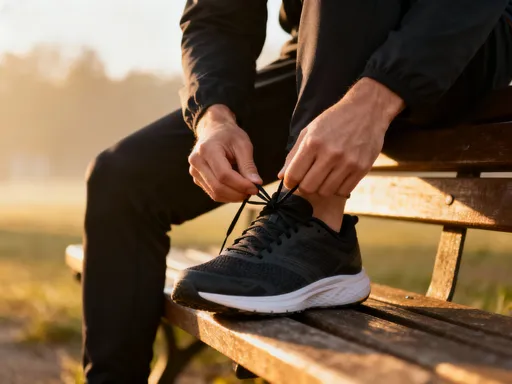
Habits are formed through repetition and context. When a behavior is consistently tied to a specific cue — such as finishing breakfast or arriving home from work — the brain begins to expect it. Over time, the action requires less willpower because it no longer feels like a decision. This is why someone who walks every evening after dinner may not think twice about lacing up their shoes; the routine has become part of their identity. The shift from “I’m trying to exercise” to “I am someone who moves every day” is subtle but powerful. It changes the internal narrative from effort to expression.
Studies in health psychology support this approach. One review published in the British Journal of Health Psychology found that participants who focused on building exercise habits were more likely to maintain physical activity over six months than those relying on motivation alone. Another study showed that even modest levels of daily movement — such as 20 minutes of walking — provided significant cardiovascular and mental health benefits when done consistently. The key wasn’t the duration or intensity; it was the regularity. This means that a 10-minute stretch in the morning, a short walk after lunch, or a few minutes of movement between household tasks can collectively create meaningful change.
The Power of Micro-Workouts: Small Moves, Big Impact
One of the most liberating ideas in modern fitness is the concept of micro-workouts — short bursts of physical activity that last anywhere from one to ten minutes. These mini-sessions might seem too brief to matter, but science confirms they add up. The American Heart Association recognizes that accumulating physical activity in short segments throughout the day is just as beneficial as doing it all at once. Ten minutes of stair climbing, three times a day, can meet daily aerobic recommendations and improve heart health over time.
Micro-workouts are especially effective for women juggling family, work, and household responsibilities. They eliminate the common excuse of “not having enough time.” You don’t need special clothes, equipment, or a gym membership. You can do calf raises while washing dishes, shoulder rolls while waiting for the kettle to boil, or standing leg lifts during a phone call. These movements may feel insignificant in the moment, but their cumulative effect strengthens muscles, improves circulation, and boosts endorphins. Over weeks and months, they contribute to better posture, increased stamina, and reduced joint stiffness.
Research supports the mood-enhancing benefits of brief physical activity. A study from the University of Tennessee found that participants who engaged in three 10-minute walks per day reported lower stress levels and improved focus compared to those who did one 30-minute session. The frequent movement acted as a natural reset for the nervous system, helping regulate emotions and energy. For women managing anxiety, fatigue, or low mood, micro-workouts offer a practical, accessible tool. They also serve as a gateway to longer sessions — once movement becomes a familiar part of the day, extending it feels less daunting.
Finding Your Movement Personality
Not all forms of exercise are equally enjoyable — and that’s okay. A major reason people abandon fitness plans is because they force themselves into activities they dislike. Think of someone who hates running but does it because it’s “the best cardio.” The dread builds with every step, making consistency nearly impossible. The solution isn’t to push through discomfort but to explore what kind of movement brings joy. This is where understanding your movement personality becomes essential.
Some people thrive on rhythmic, expressive activities like dancing, swimming, or cycling. Others prefer structured, mindful movement such as yoga, tai chi, or strength training. Still, others enjoy the unpredictability of hiking, gardening, or playing with children. The goal isn’t to find the most efficient calorie-burner but the activity you look forward to. When exercise feels like play rather than work, it ceases to be a chore. Reflecting on childhood preferences can be revealing: Did you love climbing trees? That might translate into rock climbing or trail walking. Were you drawn to dance class? A Zumba session or home dance workout could reignite that spark.
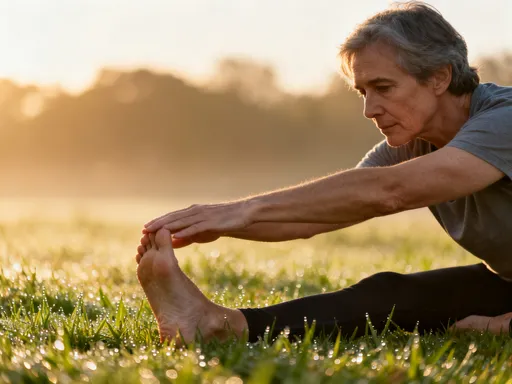
Experimentation is key. Try a new activity without pressure to master it. Attend a beginner’s Pilates class, walk through a local park, or follow a gentle stretching video online. Notice how your body feels during and after — energized, calm, stiff, or sore. Keep a simple log of what you enjoy and what you don’t. Over time, patterns will emerge. The right movement should leave you feeling stronger, not defeated. When you align your fitness routine with your natural inclinations, consistency follows effortlessly.
Building a Routine That Sticks: The Habit Stack Method
One of the most effective strategies for forming lasting habits is habit stacking — a technique developed by behavioral scientist Dr. BJ Fogg and popularized by James Clear in *Atomic Habits*. The idea is simple: attach a new behavior to an existing one. Because the cue is already part of your routine, the new action is more likely to stick. For example, “After I pour my morning tea, I will do five minutes of stretching” links movement to a familiar ritual. The tea becomes the trigger, and the stretch becomes the response.
This method works because it reduces decision fatigue. Instead of asking yourself, “Should I exercise today?” the habit runs on autopilot. You don’t debate it — you just do it, because it’s tied to something you already do without thinking. Over time, the brain associates the two actions, making the new behavior feel natural. Successful habit stacks are specific, realistic, and placed at consistent times of day. They don’t require large time commitments; even two to five minutes are enough to build momentum.
Here are a few examples of habit stacks that fit seamlessly into daily life: “After I hang up my coat when I get home, I will do ten squats.” “After I finish brushing my teeth at night, I will stand on one leg for one minute per side to improve balance.” “After I send my first email in the morning, I will stand up and roll my shoulders ten times.” These tiny actions may seem minor, but they reinforce the identity of someone who moves regularly. And because they are sustainable, they are more likely to last than a 45-minute workout scheduled for 5 a.m. that gets canceled by a sick child or a late meeting.
Tracking Progress Beyond the Scale
One of the biggest obstacles to long-term fitness success is measuring progress solely by the number on the scale. Weight is a poor indicator of health and can fluctuate for reasons unrelated to fat loss — hydration, hormones, muscle gain, and digestion all play a role. Focusing only on weight can lead to frustration, even when positive changes are happening. A woman might gain muscle and lose inches, yet feel discouraged because the scale hasn’t moved. This narrow view undermines motivation and can cause people to abandon healthy habits prematurely.
A more empowering approach is to track non-scale victories — the subtle but meaningful improvements that signal real progress. These include sleeping more soundly, climbing stairs without getting winded, feeling more confident in clothes, or noticing increased energy throughout the day. Other signs might be improved concentration, reduced joint pain, or the ability to carry groceries without discomfort. These outcomes reflect genuine health gains and are often more important than appearance alone.
Keeping a simple journal or using a notes app to record these wins can deepen awareness and reinforce commitment. At the end of each week, take a few minutes to reflect: What felt easier this week? When did I feel strong or capable? Did I choose a healthy snack without guilt? Did I rest when I needed to? This kind of tracking fosters self-compassion and a broader definition of success. It shifts the focus from fixing perceived flaws to celebrating what the body can do. Over time, these small acknowledgments build a positive feedback loop that supports lasting change.
Making It Last: How to Stay on Track Without Perfection
No fitness journey is linear. There will be days when you’re too tired, too busy, or too unmotivated to move. The difference between those who succeed and those who don’t isn’t perfection — it’s resilience. The ability to return to your routine after a break, without self-criticism, is what sustains long-term health. Research shows that self-compassion is a stronger predictor of exercise adherence than willpower. Women who treat themselves with kindness after a missed workout are more likely to resume the next day than those who respond with guilt or shame.
A helpful mindset is the “next right choice” approach. Instead of thinking, “I blew it, so I might as well wait until Monday,” ask, “What’s the next small, healthy thing I can do?” Maybe it’s a five-minute walk after dinner, a few stretches before bed, or choosing the stairs instead of the elevator. These moments of reconnection rebuild momentum without requiring a full reset. They also reinforce the idea that fitness isn’t about rigid rules but about showing up for yourself in whatever way you can.
Environmental design also plays a crucial role. Make movement easier by setting up your surroundings to support your goals. Keep walking shoes by the door, place resistance bands in your living room, or set a reminder on your phone to stand and stretch every hour. Reduce friction by preparing workout clothes the night before or downloading a favorite playlist. Small changes in your environment can lead to big changes in behavior. When the path of least resistance leads to movement, consistency becomes effortless.
Fitness isn’t about transformation overnight. It’s about showing up, again and again, not because you hate your body, but because you respect it. It’s about choosing gentle movement over guilt, consistency over intensity, and self-care over punishment. When exercise becomes a daily act of kindness — a way to honor your strength, energy, and resilience — it stops being something you have to do and starts being something you get to do. The most effective fitness journey isn’t the hardest one. It’s the one you can live with, enjoy, and sustain for the rest of your life.