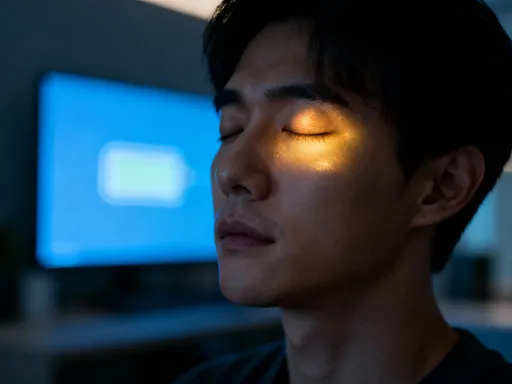
What If Your Eyes Could Recharge Like a Phone Battery?
Ever felt your eyes burning after hours in front of a screen? You’re not alone. Digital strain is quietly reshaping how we see—literally. I’ve been there, squinting at blurred text, chasing relief. But small, smart tweaks changed everything. This isn’t about fixing damage; it’s about upgrading your eye health the natural way. Let’s explore how to keep your vision sharp, resilient, and future-ready—starting today.
The Hidden Crisis: Why Modern Life Is Exhausting Our Eyes
Modern life demands constant visual attention, yet our eyes were not designed for the relentless focus required by digital screens. The average adult now spends over seven hours a day looking at computers, smartphones, and tablets—a dramatic increase compared to just two decades ago. This shift has led to a widespread but often overlooked condition known as digital eye strain, or computer vision syndrome. Symptoms like dryness, blurred vision, headaches, and eye fatigue are no longer rare; they’ve become routine for millions. The problem lies not in the eyes themselves, but in how we use them. When we fixate on a screen, our visual system enters a state of sustained near-focus. This causes the ciliary muscle, responsible for lens adjustment, to remain contracted for long periods. Unlike physical muscles that we consciously relax, this tiny ocular muscle rarely gets a break during work hours.
At the same time, our blinking rate drops significantly. Under normal conditions, people blink 15 to 20 times per minute, a process essential for spreading tears evenly across the eye’s surface and removing debris. However, screen use reduces blinking to as few as 5 to 7 times per minute. This leads to increased evaporation of the tear film, resulting in dry, irritated eyes. The surface of the cornea can develop micro-abrasions over time, contributing to discomfort and even light sensitivity. Research from the American Optometric Association confirms that more than 50% of screen users experience some form of eye discomfort regularly. What many dismiss as temporary fatigue is actually a sign of cumulative stress on a delicate system.
Another overlooked factor is the reduction in outdoor time. Natural daylight, especially in the morning, plays a crucial role in regulating eye health and circadian rhythms. Exposure to bright, full-spectrum light helps maintain proper dopamine levels in the retina, which in turn supports healthy eye development and function. With indoor lifestyles becoming the norm, this natural regulatory mechanism is weakened. Children and adults alike are spending less time under natural light, increasing susceptibility to eye strain and potentially accelerating age-related changes. The modern visual environment—dim indoor lighting, high-contrast screens, and limited distance viewing—creates a perfect storm for ocular fatigue. But the good news is that most of these stressors are modifiable. By understanding the root causes, we can begin to design a lifestyle that supports, rather than strains, our vision.
Eye Health ≠ Eyesight: Understanding the Difference
It’s easy to assume that if you can read the eye chart clearly, your eyes are healthy. But 20/20 vision only measures visual acuity—the ability to see fine details at a distance. True eye health goes far beyond clarity. It includes the integrity of the tear film, the efficiency of blood flow to the retina, the stability of intraocular pressure, and the speed at which visual signals are processed by the brain. Think of the eye as a high-performance camera: a sharp lens is important, but without proper lubrication, sensor cooling, and battery life, even the best equipment will degrade over time. Just as a car needs regular maintenance beyond a working engine, your eyes require ongoing care to function optimally throughout life.
One of the most critical yet invisible aspects of eye health is ocular circulation. The retina, though only as thick as a sheet of paper, contains one of the densest networks of capillaries in the body. These tiny blood vessels deliver oxygen and nutrients while removing waste. When circulation is compromised—due to factors like prolonged screen use, poor diet, or high blood pressure—the retina becomes vulnerable to oxidative stress and inflammation. Over time, this can contribute to conditions like macular degeneration, even in individuals with excellent eyesight. Similarly, tear film stability is essential for comfort and protection. A healthy tear film has three layers: oily, watery, and mucous. Each plays a role in preventing evaporation, washing away irritants, and maintaining a smooth optical surface. When any layer is deficient, discomfort follows, often without noticeable changes in vision.
Another key component is neural processing speed. Your eyes capture light, but your brain interprets it. The visual cortex must process millions of signals per second to create a coherent image. Digital overload can slow this process, leading to mental fatigue and reduced visual clarity, even when the eyes themselves are physically capable. This is why many people report feeling “foggy” after long screen sessions, despite having no diagnosed vision problems. By focusing only on eyesight, we miss the broader picture of visual wellness. True eye health is about resilience—the ability to recover quickly from strain, maintain comfort during extended use, and resist long-term degeneration. The goal isn’t just to see clearly today, but to preserve that clarity for decades to come.
The 20-20-20 Rule, But Smarter: Upgrading a Basic Fix
The 20-20-20 rule—take a 20-second break every 20 minutes to look at something 20 feet away—is one of the most widely recommended strategies for reducing digital eye strain. And for good reason: it works. When you shift your gaze to a distant object, the ciliary muscle relaxes, releasing the tension built up from near-focus tasks. This simple act can prevent muscle fatigue and reduce the risk of accommodative spasm, a condition where the eye struggles to refocus on distant objects. However, many people know the rule but fail to apply it consistently. The challenge isn’t awareness—it’s integration into daily routines. The key is to make the practice automatic, not optional.
One effective method is habit stacking—pairing the 20-20-20 break with another regular activity. For example, every time you take a sip of water, stand up and look out the window for 20 seconds. Since hydration breaks are already part of most people’s routines, this creates a natural trigger. Another approach is to use technology to your advantage. Several free apps and browser extensions can send gentle reminders at set intervals, flashing a prompt to look away. Some even include guided breathing exercises or soft chimes to encourage full-body relaxation during the pause. These tools turn an abstract rule into a concrete habit.
But you can go further by adding micro-pauses throughout the day. Every hour, take two seconds to perform a soft blink: close your eyes slowly and gently, allowing the eyelids to fully cover the surface. This rewets the cornea and resets muscle tension. Follow it with a 10-second palm rest—rub your hands together to warm them, then cup them over your closed eyes without pressing. The warmth and darkness provide a mini-reset for the visual system. These tiny actions, repeated several times a day, can significantly reduce cumulative strain. The goal isn’t perfection; it’s consistency. Even if you only manage a few breaks, the cumulative effect over weeks and months can lead to noticeable improvements in comfort and clarity.
Lighting Matters More Than You Think: Tuning Your Visual Environment
Lighting is one of the most underestimated factors in eye comfort. Poor lighting forces the eyes to work harder, increasing fatigue and reducing visual efficiency. Yet most people use whatever light is available, unaware of how much it affects their vision. The ideal visual environment balances ambient room lighting with screen brightness to minimize contrast and glare. When the screen is much brighter than the surrounding space, the pupils constrict repeatedly, causing strain. Conversely, dim screens in bright rooms create squinting and discomfort. The solution lies in creating harmony between your display and your environment.
One of the most effective upgrades is bias lighting—placing a soft, neutral-white light behind your monitor. This simple addition reduces the contrast between the bright screen and a dark room, easing the burden on your eyes. LED strips designed for this purpose are inexpensive and easy to install. They should emit light at around 6500K (daylight white) and be diffused to avoid glare. Studies have shown that bias lighting can improve visual comfort by up to 50%, making long work sessions more sustainable. Additionally, adjusting your screen’s color temperature can make a big difference. Blue-rich light, common in default settings, is more stimulating and can disrupt circadian rhythms. Switching to a warmer tone in the evening—using built-in features like Night Shift or f.lux—reduces eye strain and supports better sleep.
Room lighting should also be layered. Overhead lights alone often create harsh shadows and glare. Combine them with a desk lamp that provides indirect illumination, ideally positioned to the side to avoid reflections on the screen. Natural light is ideal, but direct sunlight on the screen can cause glare. Use curtains or blinds to diffuse it. The goal is uniform brightness without hotspots. Pupil dynamics play a key role here: when light levels fluctuate rapidly, the iris must constantly adjust, which contributes to fatigue. A stable, balanced environment allows the eyes to remain in a relaxed state. By treating your workspace like a visual sanctuary, you reduce the daily toll on your eyes and enhance overall alertness and focus.
Nutrition for Vision: Foods That Fuel Your Eyes Naturally
The eyes are metabolically active organs that require a steady supply of specific nutrients to function under stress. While no single food can prevent all eye problems, a diet rich in certain compounds has been shown to support long-term visual health. Lutein and zeaxanthin, two carotenoids found in high concentrations in the macula, act as natural blue-light filters and antioxidants. They help protect retinal cells from oxidative damage caused by prolonged screen exposure. These nutrients are abundant in leafy greens like spinach, kale, and Swiss chard. Cooking them with a healthy fat—such as olive oil—increases absorption, making them more effective.
Omega-3 fatty acids, particularly DHA, are essential for maintaining the structural integrity of retinal cells and supporting tear production. Dry eye disease, a common consequence of screen use, is often linked to omega-3 deficiency. Fatty fish like salmon, mackerel, and sardines are excellent sources. For those who don’t eat fish, flaxseeds, chia seeds, and walnuts provide plant-based omega-3s, though conversion to DHA is less efficient. Including a small handful of walnuts in your daily snack routine can make a meaningful difference over time. Vitamin E, another antioxidant, helps protect cell membranes from damage. It’s found in almonds, sunflower seeds, and avocado—easy additions to meals and snacks.
Rather than focusing on supplements, which should only be taken under medical guidance, the emphasis should be on dietary patterns. Small, consistent choices matter more than occasional superfoods. Start by adding a cup of spinach to your morning smoothie, or swapping afternoon chips for a mix of nuts and seeds. Over time, these habits build a nutritional foundation that supports eye resilience. Research from the National Eye Institute shows that people who consume a diet high in these nutrients have a lower risk of age-related macular degeneration and cataracts. The message is clear: what you eat directly influences how well you see. By nourishing your eyes from within, you enhance their ability to recover from daily strain and maintain clarity for years to come.
Blinking Is a Superpower: The Overlooked Reset Button
Blinking is one of the most fundamental yet neglected acts of eye care. Each blink spreads a fresh layer of tears across the eye’s surface, clears debris, and signals the focusing muscle to reset. But during screen use, people blink only about half as often as they should. This reduction leads to faster tear evaporation, dryness, and surface inflammation. The result is a cycle of discomfort that many accept as normal. The truth is, conscious blinking can be a powerful tool for immediate relief and long-term protection.
A full, slow blink—closing the eyes completely and holding for a split second—activates the meibomian glands in the eyelids, which secrete the oily layer of the tear film. This layer prevents tears from evaporating too quickly. Many people develop a habit of “computer blinking,” where only the upper lid moves slightly, leaving the surface incompletely covered. Relearning how to blink properly can break this pattern. A simple technique is to pause every few minutes and perform three deliberate, slow blinks. You can tie this to routine actions, like sending an email or switching browser tabs. Over time, this becomes automatic, restoring natural blink rhythm.
Another effective method is the “blink break” — closing your eyes for 10 to 15 seconds every hour. This gives the ocular surface a chance to rehydrate and the muscles to relax. It’s especially helpful during intense focus periods. Some people find that gently pressing their fingers to the outer corners of their eyes during the blink enhances the tear flow. These small interventions may seem minor, but their cumulative effect is significant. Studies show that increasing blink rate and quality can reduce dry eye symptoms by up to 40%. By treating blinking not as a reflex, but as a conscious act of care, you give your eyes the reset they need to stay comfortable and functional.
Long-Term Gains: Building an Eye-Resilient Lifestyle
Sustainable eye health isn’t achieved through isolated fixes, but through a cohesive, daily rhythm of care. It’s about creating an environment, routine, and mindset that support long-term visual resilience. This begins with morning light exposure. Spending just 10 to 15 minutes outside in natural daylight helps regulate dopamine levels in the retina, which plays a role in preventing myopia and supporting circadian health. Even on cloudy days, outdoor light is significantly brighter than indoor lighting, making it more effective. This simple habit sets the tone for the entire day, improving alertness and eye function.
In the evening, a screen wind-down routine is equally important. Reducing screen brightness, using blue-light filters, and avoiding screens at least one hour before bed supports both eye comfort and sleep quality. Sleep is when the eyes undergo repair and tear production is restored. Disrupting this cycle with late-night scrolling accelerates fatigue. Instead, replace screen time with low-light activities like reading a physical book or light stretching. These transitions signal to your body that it’s time to rest, allowing your visual system to recover fully.
Regular eye check-ins—distinct from formal exams—should also be part of your routine. Notice how your eyes feel at different times of day. Are they dry by mid-afternoon? Do words blur after an hour of reading? These signals are valuable feedback, not just annoyances. Responding early with a blink break, a walk outside, or a lighting adjustment can prevent minor strain from becoming chronic discomfort. The goal is to shift from reactive care to proactive optimization. Your eyes are not static organs; they are dynamic systems that respond to how you treat them. By investing in their health today, you’re not just preventing problems—you’re enhancing performance. Clear, comfortable vision is not a given; it’s a living promise, renewed every day through mindful choices.